India bans exports of lithium-ion battery black mass to keep recycling feedstock at home
DGFT notification 49/2026-27 of 10 November moves battery black mass from freely exportable to prohibited, to feed domestic recyclers that recover lithium, cobalt and nickel.
Key facts
- DGFT Notification No. 49/2026-27, dated 10 November 2026, changes the export policy for lithium-ion battery black mass (ITC(HS) 85491400) from Free to Prohibited with immediate effect.
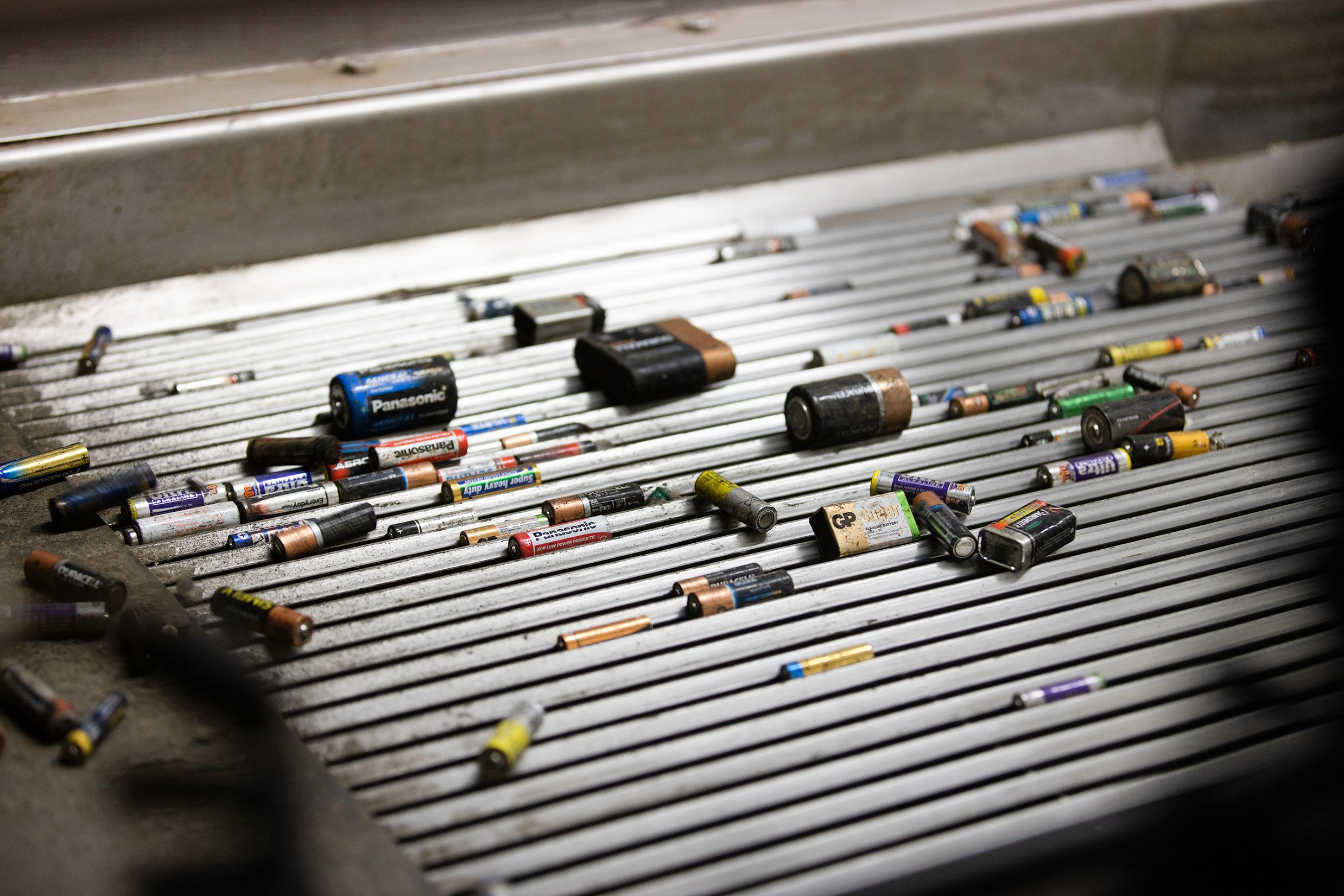
- Black mass is the powder from shredded end-of-life lithium-ion batteries and manufacturing waste, containing lithium, cobalt, nickel and manganese.
- The government says the ban is meant to give domestic recyclers enough feedstock and raise domestic recovery of critical minerals.
The Directorate General of Foreign Trade (DGFT) has prohibited the export of lithium-ion battery black mass. Notification No. 49/2026-27, dated 10 November 2026, changes the export policy for the item from “Free” to “Prohibited” with immediate effect and until further orders, according to a Press Information Bureau release of 11 November. The transitional arrangements under Para 1.05 of the Foreign Trade Policy 2023 apply.
What is black mass?
PIB describes black mass as the powdery material obtained by shredding end-of-life lithium-ion batteries and battery-manufacturing waste. It holds recoverable quantities of critical minerals, including lithium, cobalt, nickel and manganese. The ban covers the item under ITC(HS) code 85491400, which the notification specifically describes as lithium-ion battery black mass.
Why did the government ban black mass exports?
According to PIB:
- India depends substantially on imports for several critical minerals used in electric mobility, advanced chemistry cell batteries and energy storage.
- India’s capacity to recycle battery waste and refine minerals has grown considerably but is not fully used because recyclers do not get enough feedstock. Exports of India-generated black mass divert it abroad, and some domestic recyclers have had to import material to meet their needs.
- The ban is meant to make sure black mass generated in India is recycled and refined domestically, improving capacity use, investment and jobs, and raising domestic recovery of lithium, cobalt, nickel and other minerals.
- It complements the National Critical Mineral Mission, including the ₹1,500 crore incentive scheme the Union Cabinet approved in September 2025 to build recycling capacity for separating critical minerals from sources such as battery waste and e-waste.
- PIB says several major economies have taken similar steps to keep battery waste and black mass for domestic processing.
What it means for EVs
The ban is about supply chains rather than prices today. Recycled minerals are a domestic source that could eventually feed cell makers. That ties it to other recent moves, including the Cabinet’s ₹2,814 crore scheme for lithium and nickel processing plants, and to makers building their own cells, such as Ola Electric’s 6 GWh cell plant. The release does not give any volume of black mass exported or any recycler’s capacity, so we cannot say how large the effect will be.
Frequently asked questions
What is lithium-ion battery black mass?
PIB describes black mass as the powdery material obtained by shredding end-of-life lithium-ion batteries and battery-manufacturing waste. It holds recoverable lithium, cobalt, nickel and manganese.
Can black mass be exported from India?
No. DGFT Notification No. 49/2026-27 of 10 November 2026 moved lithium-ion battery black mass under ITC(HS) code 85491400 from Free to Prohibited, with immediate effect and until further orders. Transitional arrangements under Para 1.05 of the Foreign Trade Policy 2023 apply.
Why did India ban black mass exports?
According to PIB, domestic recyclers' capacity is not fully used because they do not get enough feedstock, and exports divert India-generated black mass abroad. The ban aims to keep it for domestic recycling and refining.
Sources
Related stories
Cabinet clears ₹2,814 crore scheme to build lithium and nickel processing plants in India
The five-year scheme offers a 30% capital subsidy for two lithium and two nickel processing plants, aiming to cut India's total import dependence on refined battery minerals.
Coal India, ReNew, Prozeal and Midwest get letters of intent under India's ₹7,280 crore rare-earth magnet scheme
Four companies were handed letters of intent on 19 November. The scheme targets 6,000 tonnes a year of sintered magnet capacity, a key input for EV motors; allocations per firm were not specified.
Centre launches IT portal for PM-eBus Sewa payment-security scheme covering 38,000+ electric buses
Heavy Industries Minister H D Kumaraswamy launched the portal on 19 November; the ₹3,435 crore mechanism is meant to protect bus operators from payment defaults by transport authorities.