PM E-DRIVE explained: who gets the EV subsidy, how much, and until when
A plain-language guide to the PM E-DRIVE scheme as the Ministry of Heavy Industries and PIB describe it: outlay, validity to March 2028, per-vehicle incentives for e-2Ws and e-rickshaws, and what is no longer open.
Key facts
- PM E-DRIVE is the Centre's main EV purchase-incentive scheme, notified by the Ministry of Heavy Industries on 29 September 2024, with an outlay of ₹11,900 crore.
- It is extended to 31 March 2028 for all segments except registered L5 e-three-wheelers, which closed on 26 December 2025, and is subject to funds.
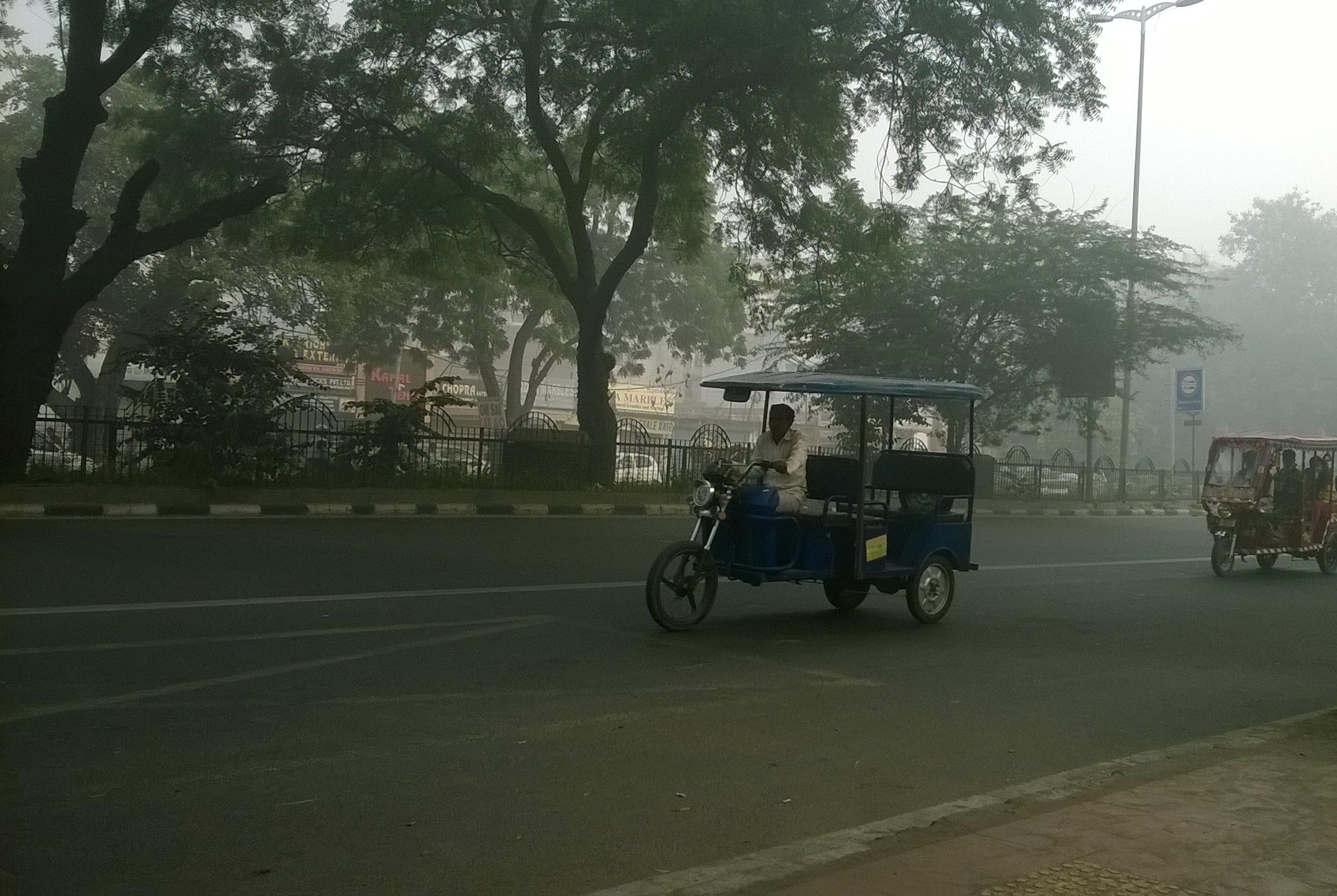
- Registered e-2Ws get ₹2,500 per kWh, capped at ₹5,000; e-rickshaws and e-carts get ₹2,500 per kWh, capped at ₹12,500. Private electric cars are not covered.
The PM Electric Drive Revolution in Innovative Vehicle Enhancement scheme, better known as PM E-DRIVE, is the Centre’s main purchase-incentive programme for electric vehicles. It was notified by the Ministry of Heavy Industries (MHI) on 29 September 2024 and runs from 1 October 2024. This guide sets out what the ministry and the Press Information Bureau (PIB) say about it today. Rules and amounts can change by notification, so check the official portal before you buy.
The scheme at a glance
- Outlay: ₹11,900 crore. The portal says the outlay was raised by ₹1,000 crore through a gazette notification dated 10 August 2026. An earlier extension notification of 7 August 2025 had put it at ₹10,900 crore.
- Validity: the scheme period has been extended to 31 March 2028 for all segments except registered e-three-wheelers in the L5 category, which closed on 26 December 2025 after its target was met, according to the portal and PIB.
- Fund-limited: the notification says payouts cannot exceed the outlay. If the money for the scheme or a sub-component runs out before the end date, that part closes and no further claims are entertained.
- Advanced batteries only: incentives go only to vehicles fitted with advanced batteries.
- Mostly commercial use: the ministry says the scheme applies mainly to e-2Ws and e-3Ws registered for commercial purposes. Privately and corporate-owned registered e-2Ws are also eligible.
Which vehicles are covered by PM E-DRIVE?
According to the portal, the categories are:
- Electric two-wheelers (e-2Ws)
- Electric three-wheelers: registered e-rickshaws and e-carts, and L5 (now closed)
- e-ambulances
- e-trucks
- e-buses
- Public EV charging infrastructure
- Upgrading of vehicle testing agencies
Private electric cars are not on this list, which is why the scheme does not offer a purchase subsidy for a typical e-car such as the ones in our under ₹15 lakh and ₹16–19 lakh SUV comparisons.
How much: the published incentive amounts
| Segment | Incentive | Other limits | Source |
|---|---|---|---|
| Registered e-2W | ₹2,500 per kWh of battery, capped at ₹5,000 per vehicle | Ex-factory price up to ₹1.5 lakh | PIB, 1 Oct 2026; Gazette 27 Mar 2026 |
| Registered e-rickshaw and e-cart | ₹2,500 per kWh, capped at ₹12,500 per vehicle (FY 2025-26 onwards) | Ex-factory price up to ₹2.5 lakh | Gazette 27 Mar 2026 |
| e-ambulance | Lower of ₹30,000 per kWh or 35% of ex-factory price | Types B, C and D as defined in AIS 125 (Part 1) | Portal |
| e-truck (N2, N3) | Lowest of ₹5,000 per kWh, 10% of ex-factory price (up to ₹1.25 crore, excluding trailer) and a maximum set by gross vehicle weight | CMVR categories N2 (3.5–12 tonnes) and N3 (12–55 tonnes) | Portal |
The 27 March 2026 gazette notification adds that, for e-2Ws and e-3Ws, the incentive is limited to the amounts above or 15% of the ex-factory price, whichever is lower. It also notes that the per-kWh rate is subject to review as vehicle costs fall.
The same notification shows how amounts have stepped down: for e-2Ws the FY 2024-25 rate was ₹5,000 per kWh capped at ₹10,000 per vehicle, and from 1 April 2025 it is ₹2,500 per kWh capped at ₹5,000.
What the e-rickshaw row means in practice: a three-wheeler with a battery of, say, 5 kWh would hit the ₹12,500 cap exactly under the formula; a smaller battery would get less. That example is our arithmetic from the published rate, not a figure from the ministry.
e-buses and charging stations
- e-buses: PIB says ₹4,391 crore is allocated for 14,028 e-buses, of which 14,000 had been allocated as of August 2026. It says 13,800 went to seven cities: Delhi, Bengaluru, Hyderabad, Mumbai, Ahmedabad, Pune and Surat. This is grant support for bus fleets, not something an individual buyer claims.
- Public charging: ₹2,000 crore is earmarked for public EV charging stations nationwide. PIB says ₹851 crore has been approved for 8,147 chargers across three oil marketing companies and 10 states, as of 28 September 2026. For how fast-charging networks are growing, see our reports on ChargeZone’s 1,000-site plan and Mahindra Charge_iN’s 59 stations.
How do buyers receive the incentive?
The ministry says the scheme portal generates an e-Voucher, authenticated by Aadhaar face e-KYC, at the time of purchase, and a download link is sent to the buyer’s registered mobile number. PIB says the incentive then shows up as an upfront reduction in the purchase price, with the amount reimbursed to the manufacturer by MHI. In other words, buyers do not file a separate claim after purchase; the dealer processes it. Only manufacturers registered under the scheme take part.
Progress so far
PIB says the scheme supports incentives for about 28.30 lakh EVs and that 26.59 lakh EVs had been sold under it as of June 2026. Update, 20 November 2026: Heavy Industries Minister H D Kumaraswamy said more than 30 lakh EVs had been sold under the scheme as of 30 September 2026, CNBC-TV18 reported. The portal’s fund table lists a maximum of 45.79 lakh e-2Ws and 39,034 e-rickshaws and e-carts under the revised plan.
Frequently asked questions
Is there a subsidy on electric cars under PM E-DRIVE?
The published categories do not include private e-cars. Some states run their own EV policies, which are outside the scope of this guide.
How much is the PM E-DRIVE subsidy on an electric scooter?
For registered e-2Ws it is ₹2,500 per kWh of battery, capped at ₹5,000 per vehicle, for an ex-factory price up to ₹1.5 lakh, and limited to 15% of the ex-factory price if that is lower.
Can I still get the e-2W incentive?
The portal and PIB both say the period is extended to 31 March 2028, subject to funds. A 27 March 2026 notification had earlier set 31 July 2026 as the end date for e-2Ws; the portal's later statement of an extension for all segments except L5 supersedes that. Ask the dealer whether the incentive is currently shown at checkout.
Can I still get the incentive on an L5 e-three-wheeler?
No. That segment closed on 26 December 2025.
How do buyers receive the PM E-DRIVE incentive?
The scheme portal generates an Aadhaar face e-KYC authenticated e-Voucher at purchase, and the incentive shows up as an upfront reduction in the price, reimbursed to the manufacturer by MHI. Buyers do not file a separate claim; the dealer processes it.
Sources
- PM E-DRIVE scheme portal, Ministry of Heavy Industries (pmedrive.heavyindustries.gov.in)
- PIB: PM E-DRIVE Scheme, A Step Towards a Sustainable Future (1 Oct 2026) (pib.gov.in)
- Gazette of India: S.O. 1617(E), 27 March 2026 (amends e-2W and e-rickshaw incentives) (pmedrive.heavyindustries.gov.in)
- Gazette of India: S.O. 3626(E), 7 August 2025 (extension to 31 March 2028) (pmedrive.heavyindustries.gov.in)
- Gazette of India: notification of 10 August 2026 raising the outlay to ₹11,900 crore (S.O. 4424(E)), as listed on the portal (pmedrive.heavyindustries.gov.in)
- CNBC-TV18: 30 lakh EVs sold under PM E-DRIVE, but charging gaps remain: HD Kumaraswamy (20 Nov 2026) (cnbctv18.com)
Related stories
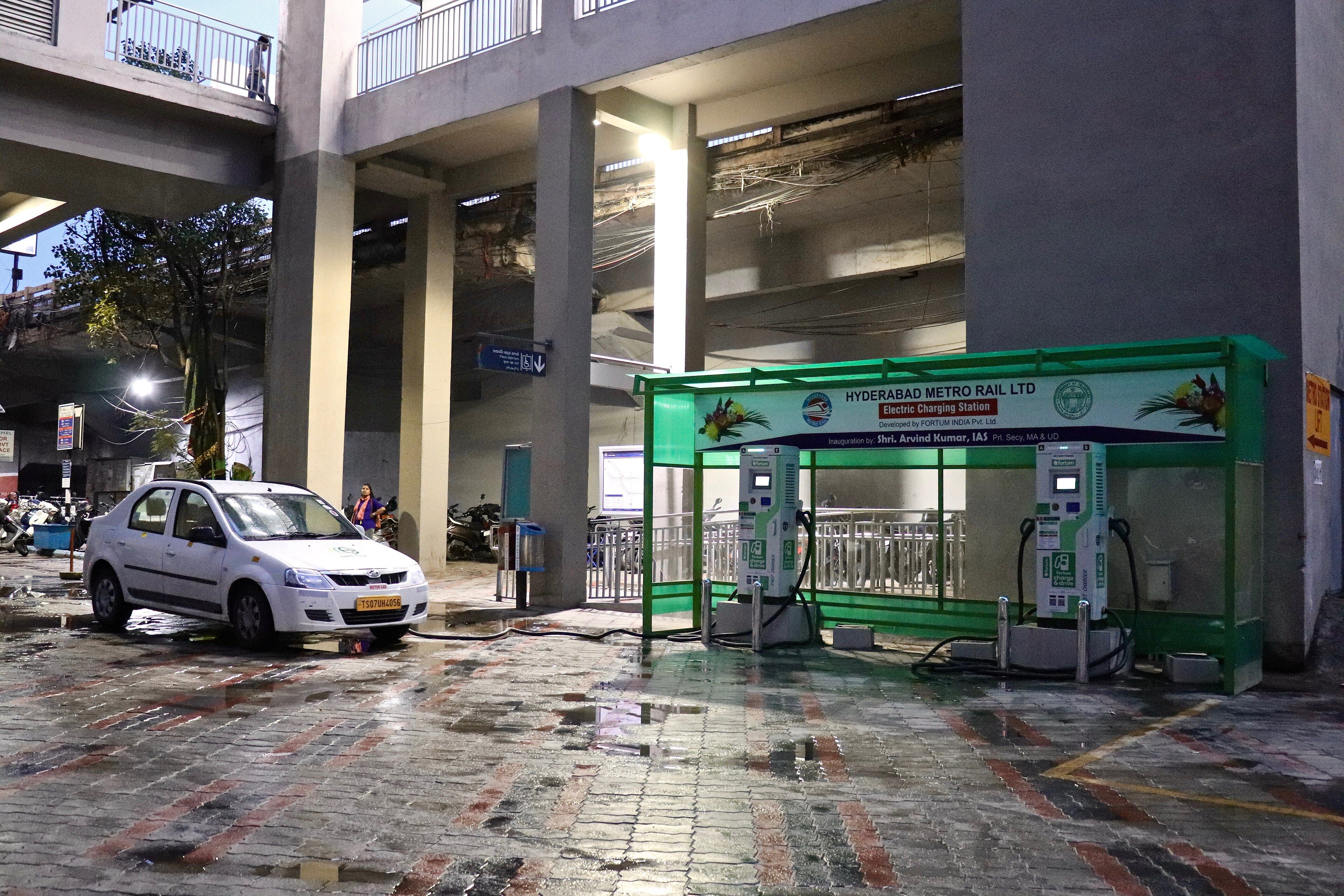
PM E-DRIVE passes 30 lakh EVs sold, says Kumaraswamy, as he calls for faster charger rollout
More than 30 lakh electric vehicles had been sold under PM E-DRIVE as of 30 September 2026, Heavy Industries Minister H D Kumaraswamy said. He wants chargers that work, and chargers beyond the big cities.
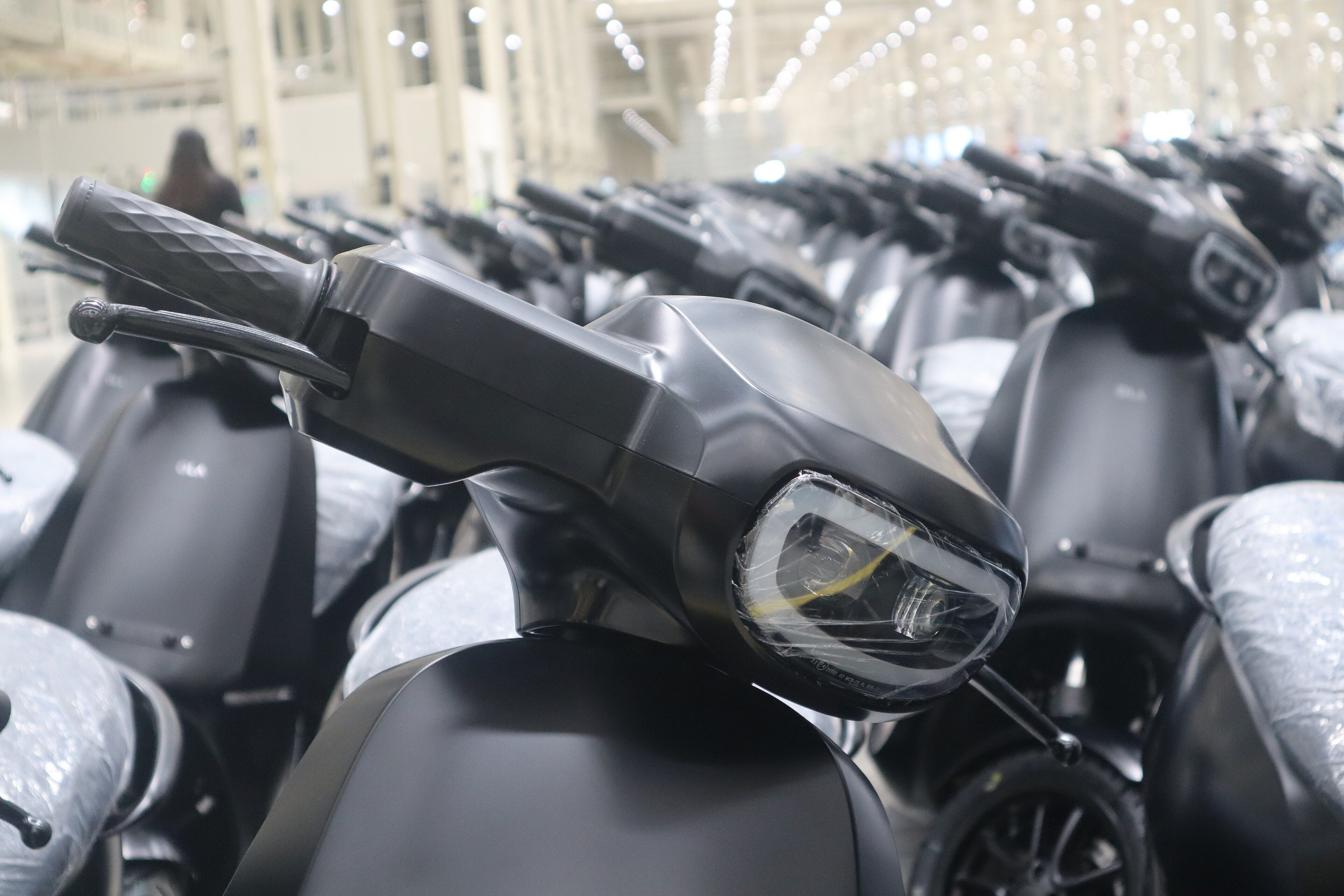
Delhi makes Aadhaar authentication mandatory to claim EV purchase and scrapping incentives
A Delhi Transport Department notification dated 3 November requires Aadhaar OTP verification for incentives under the Delhi EV Policy 2026, with fallbacks for people who have no Aadhaar yet.
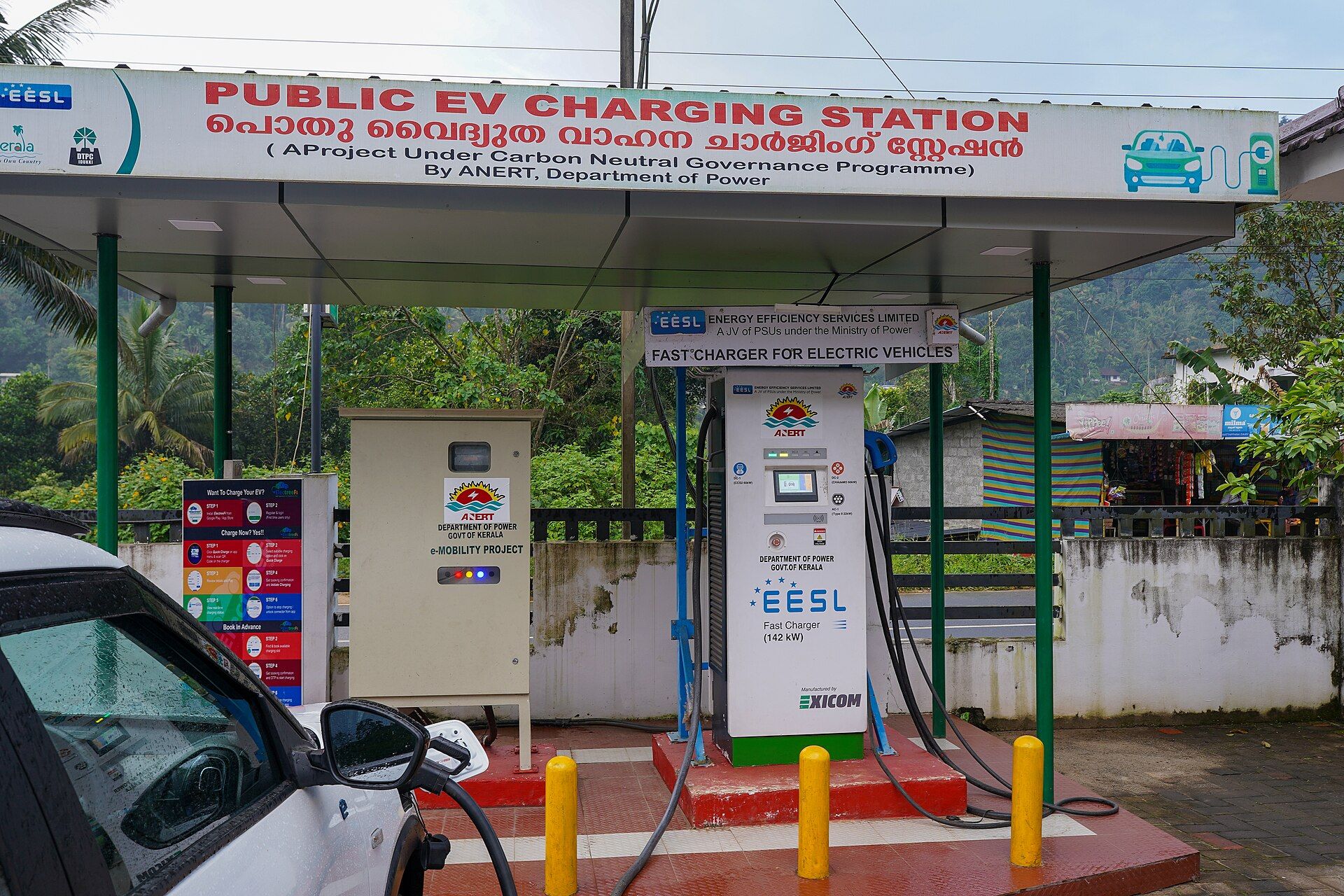
Unified Bharat e-Charge to grow beyond its five-state pilot, says heavy industries official
Additional Secretary Hanif Qureshi said about 12 charging operators are on the platform and wider rollout will follow as the network matures, though he gave no timeline.