Centre launches IT portal for PM-eBus Sewa payment-security scheme covering 38,000+ electric buses
Heavy Industries Minister H D Kumaraswamy launched the portal on 19 November; the ₹3,435 crore mechanism is meant to protect bus operators from payment defaults by transport authorities.
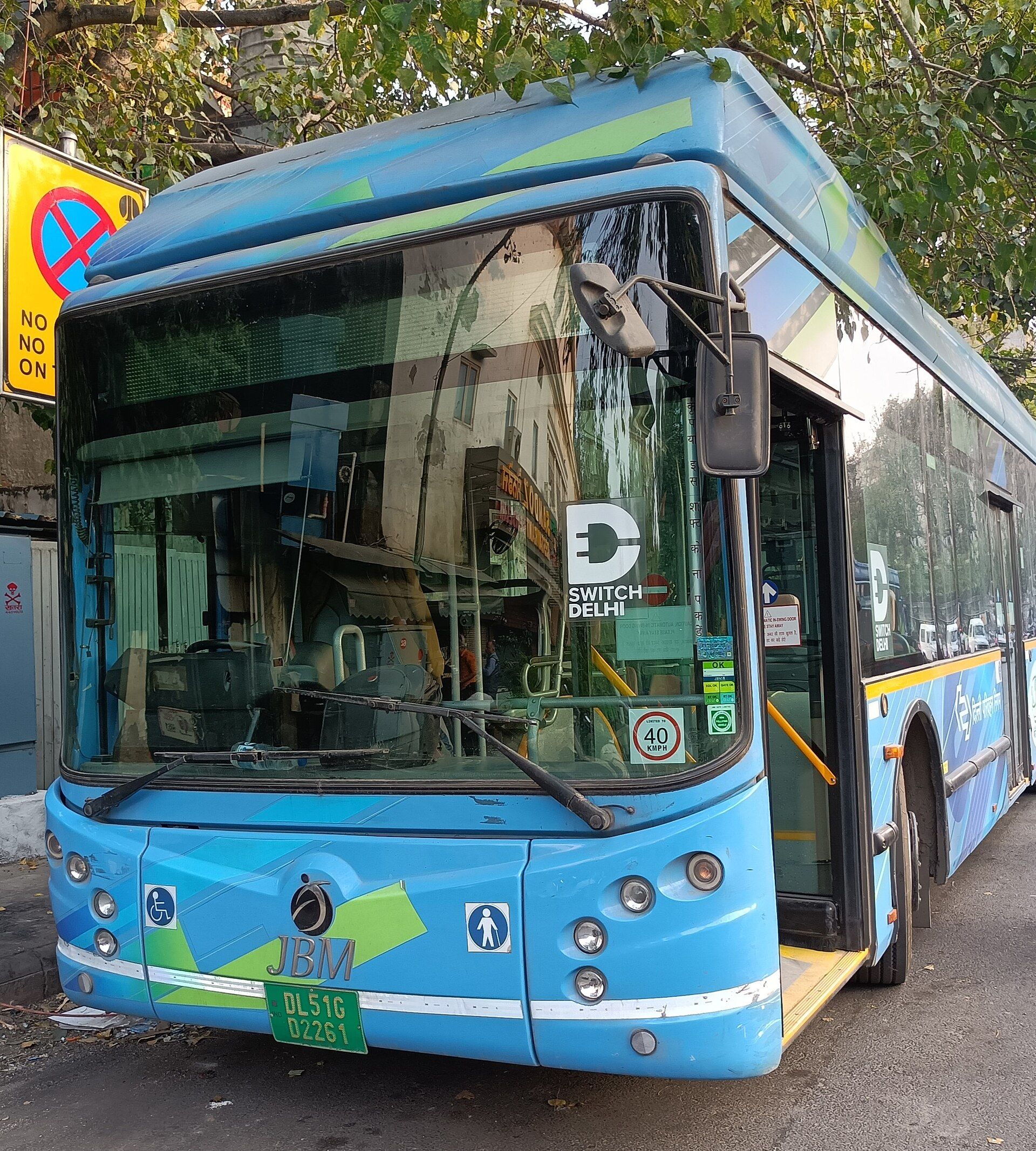
Key facts
- The PM-eBus Sewa Payment Security Mechanism IT portal was launched on 19 November by Minister H D Kumaraswamy.
- The ₹3,435.33 crore programme covers more than 38,000 electric buses for up to 12 years, per the minister.
- If a transport authority defaults, CESL can release an approved payment to the operator; the authority must repay within 90 days.
The Centre has launched an IT portal for the PM-eBus Sewa Payment Security Mechanism, a scheme meant to reassure private electric-bus operators that they will be paid even if a state transport body falls behind. The launch took place on 19 November, according to a HinduBusinessLine report. Charged Times could not find a separate government release for the launch itself, so the details below rest on that report.
Union Heavy Industries Minister H D Kumaraswamy opened the portal along with Minister of State Bhupathiraju Srinivasa Varma. BusinessLine says the ₹3,435.33 crore mechanism covers more than 38,000 electric buses for up to 12 years, and that all 27 participating states and Union Territories have responded enthusiastically, as per the minister.
How the safety net works
Many e-bus fleets in India run on gross-cost contracts. A private operator buys and runs the buses, and the state transport authority pays for the service, usually by the kilometre. Late payments can squeeze an operator’s cash and make lenders nervous about financing more buses.
As BusinessLine describes it, Convergence Energy Services Limited (CESL) manages the payment-security fund and checks claims. When an authority defaults, CESL can release an approved amount into the operator’s escrow account. The authority then has 90 days to repay. If it does not, the ministry can recover the money through the state’s direct-debit mandate with the Reserve Bank of India.
What is still unclear
The report adds a caution. As of March 2026, 19 states and Union Territories had submitted direct-debit mandates under PM E-DRIVE or PM-eBus Sewa, and the government then reported no defaults and no claims processed. The minister’s latest statement mentions 27 participants, but it does not say how many have completed the RBI mandate formalities.
The ₹3,435 crore figure itself is not new. The Press Information Bureau listed the Payment Security Mechanism at that amount in a May 2026 release on EV charging, alongside other ministry schemes.
Why it matters
Electric buses are only as bankable as the contracts behind them. If operators and lenders trust that payments will arrive, more private money may flow into city fleets. The portal’s value will show up when a real claim is filed and settled on time, which, per the report, had not yet been tested as of March.
Charged Times compiled this report from The HinduBusinessLine and the PIB release linked above. We have not seen the portal or an official launch statement.
Frequently asked questions
What does the portal support?
The PM-eBus Sewa Payment Security Mechanism, which protects private e-bus operators against payment defaults by public transport authorities.
How long does the cover last?
Up to 12 years, for more than 38,000 electric buses, according to the minister as reported by BusinessLine.
Sources
- The HinduBusinessLine: Coal India, ReNew, two others receive rare-earth magnet scheme LoIs; e-bus portal launched (19 Nov 2026) (thehindubusinessline.com)
- PIB: National Conference on Enabling Nationwide EV Charging Infrastructure under PM E-DRIVE Scheme (12 May 2026), for the ₹3,435 crore outlay (pib.gov.in)
Related stories
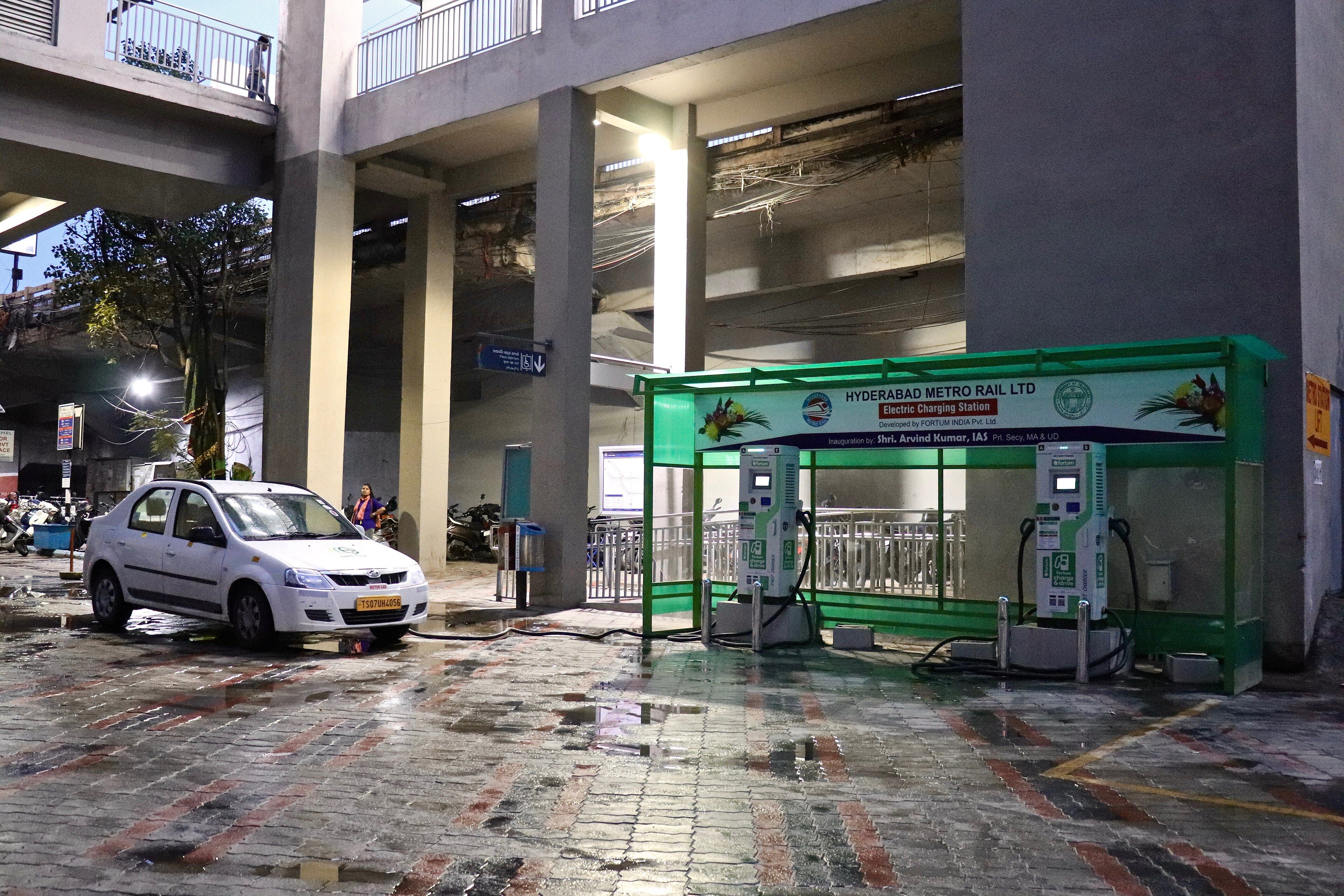
PM E-DRIVE passes 30 lakh EVs sold, says Kumaraswamy, as he calls for faster charger rollout
More than 30 lakh electric vehicles had been sold under PM E-DRIVE as of 30 September 2026, Heavy Industries Minister H D Kumaraswamy said. He wants chargers that work, and chargers beyond the big cities.
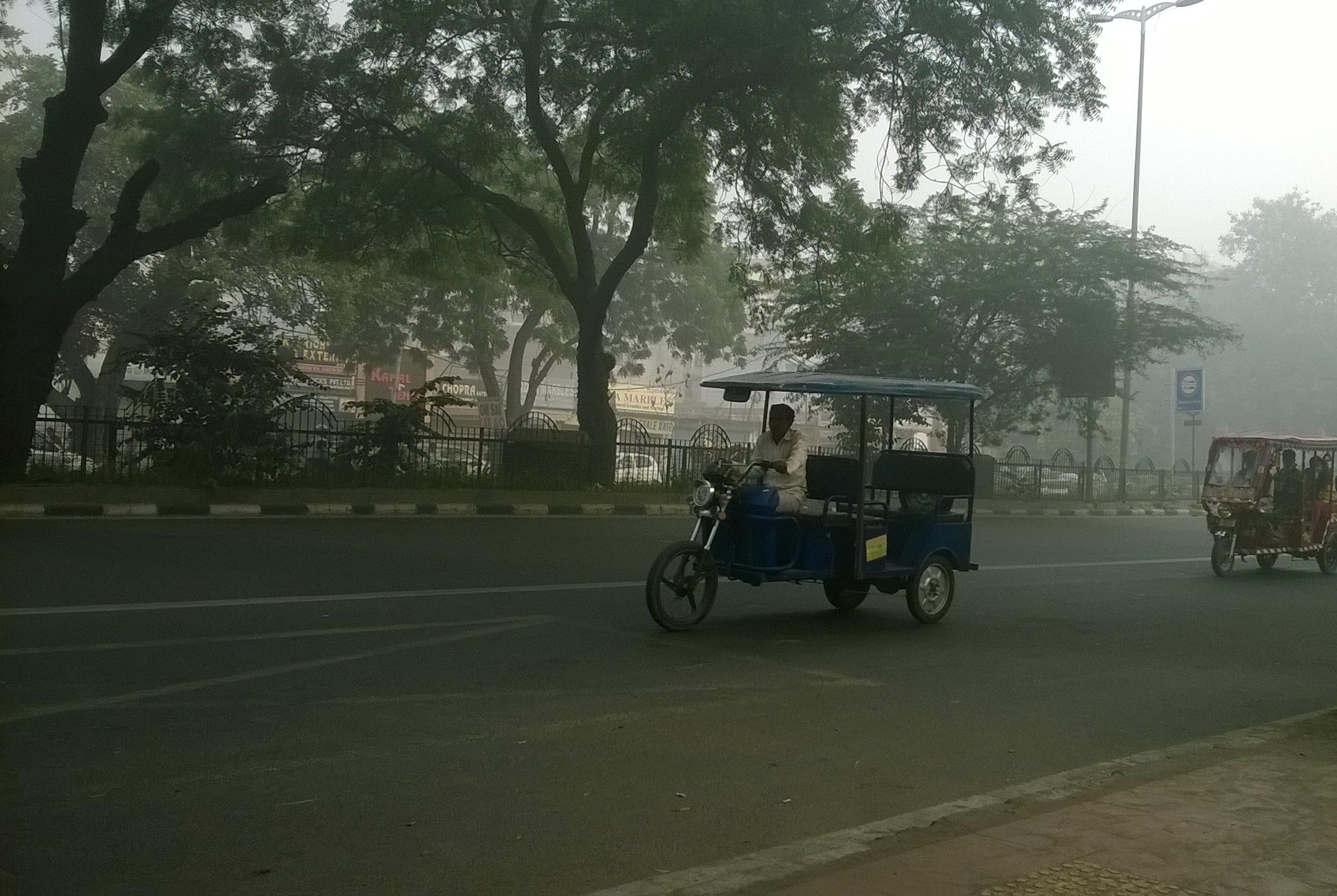
PM E-DRIVE explained: who gets the EV subsidy, how much, and until when
A plain-language guide to the PM E-DRIVE scheme as the Ministry of Heavy Industries and PIB describe it: outlay, validity to March 2028, per-vehicle incentives for e-2Ws and e-rickshaws, and what is no longer open.
Delhi adds 100 electric buses, taking its e-bus fleet to 5,338
Chief Minister Rekha Gupta flagged off 50 nine-metre and 50 twelve-metre electric buses at Kashmere Gate ISBT. Electric buses now make up about three-quarters of Delhi's roughly 7,088 public buses.