Ola Electric bets on its own battery cells to win back lost ground
Ola has taken its cell gigafactory to 6 GWh of installed capacity and says in-house cells could cut battery costs by about 20% at scale, as it targets 25,000 vehicles in December.
Key facts
- Ola Electric has commissioned another 3.5 GWh of cell capacity, taking its gigafactory to 6 GWh, chairman Bhavish Aggarwal said on the Q2 FY27 earnings call on 12 November 2026.
- Aggarwal expects in-house cells to give Ola a cost advantage of about 20% at scale; Ola plans about 30% NMC and 70% LFP cells in its vehicles.
- Ola's registrations fell 26.41% year on year in October 2026 to 12,098, fifth among electric two-wheeler makers.
Ola Electric’s registrations fell 26% year on year in October 2026, leaving it fifth among India’s electric two-wheeler makers. The company’s plan to turn that around leans heavily on something few Indian two-wheeler makers have: its own battery cell factory.
What happened
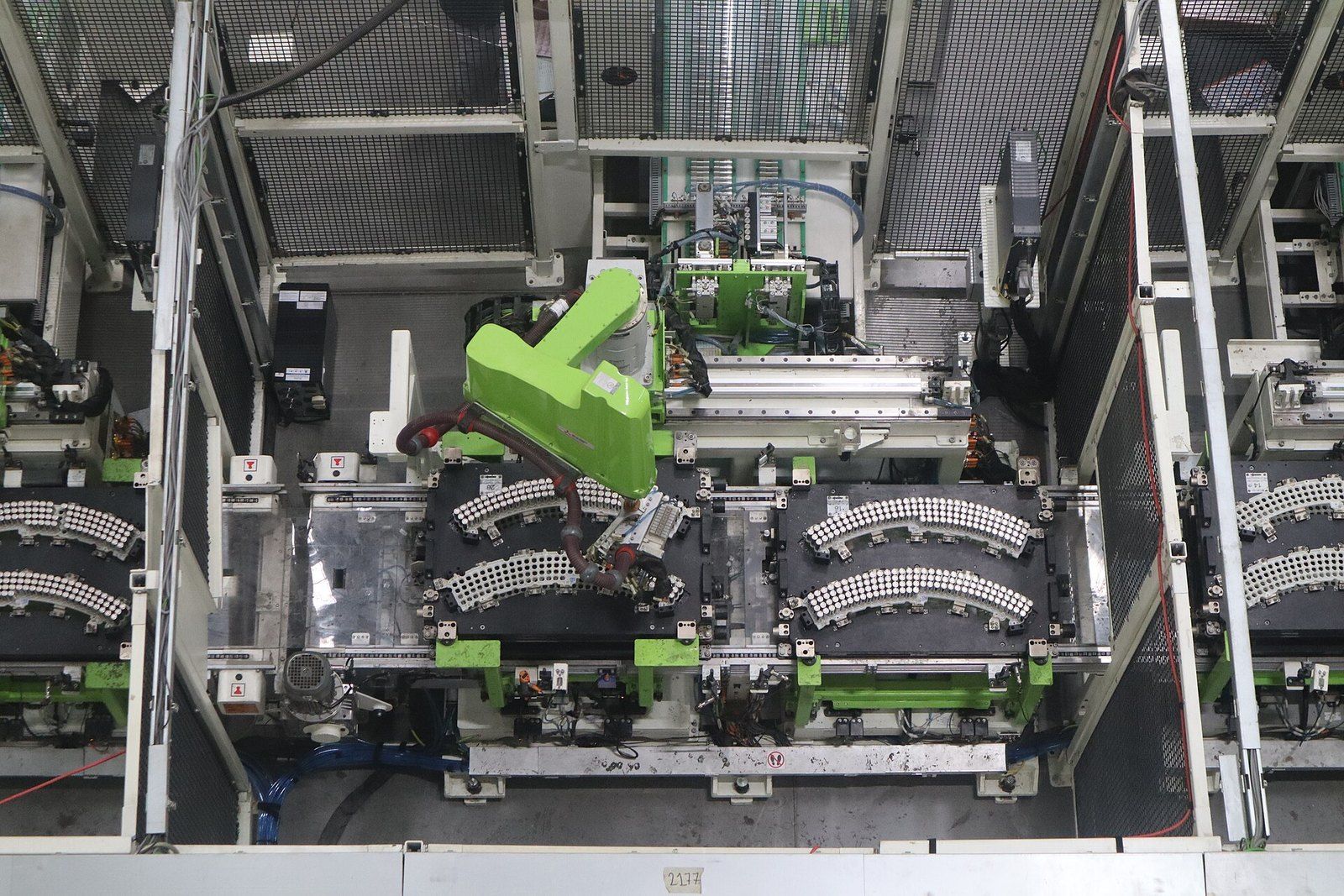
Speaking on Ola’s Q2 FY27 earnings call on 12 November, chairman and managing director Bhavish Aggarwal said the company has commissioned another 3.5 GWh of cell manufacturing capacity, bringing the total installed at its gigafactory to 6 GWh. He said using its own cells should give Ola a cost advantage of about 20% once production reaches the right scale.
Ola plans to run about 30% of its vehicles on in-house NMC (nickel manganese cobalt) cells and 70% on in-house LFP (lithium iron phosphate) cells. NMC cells are being integrated into vehicles first. Reports of the call say LFP production starts ramping up from the following quarter, with integration into vehicles planned around the end of Q4 FY27.
Business Today reported that Aggarwal put NMC manufacturing yields in the mid-70% range, with a target of the mid-80s over the next few months. According to that report, the company says a 70% yield makes its own cells cost-neutral with bought-in cells, and 85% would save about 10–15%.
Scaling production
Aggarwal said demand is “no longer our constraint” and that the pace is now set by how fast its supply chain can grow, ETAuto reported. Ola produced just over 14,000 units in September and is targeting about 25,000 in December, aiming to clear its backlog of paid orders. Deliveries of its new S1Z scooter are expected to begin once that ramp-up is complete.
ETAuto also reported that Ola is moving away from a purely direct-to-consumer model, having signed up 255 dealers with 319 stores and planning more than 700 stores this financial year. Consolidated borrowings fell to ₹1,800 crore from ₹3,132 crore at the end of December 2024.
Why it matters
The battery is one of the costliest parts of an electric scooter, and Ola’s 20% estimate is measured against buying imported or external cells, ETAuto reported. If Ola can make good cells cheaply at scale, it could undercut rivals on price or protect margins. Ola also expects incentives under the government’s PLI scheme for advanced chemistry cells to begin accruing.
But the market has moved on without it. FADA data for October show Ola at 12,098 registrations, down 26.41% year on year, behind TVS (60,490), Bajaj (49,126), Ather (31,833) and Hero MotoCorp (29,923). Cost advantages only help if buyers return.
What to watch
- December output: whether Ola actually hits about 25,000 units and clears its paid-order backlog.
- Cell yields: progress towards the mid-80% NMC target and the start of LFP integration.
- Market share: November and December FADA data will show whether the dealer push is lifting registrations.
Sources
Frequently asked questions
What is the capacity of Ola Electric's cell gigafactory?
Bhavish Aggarwal said on 12 November 2026 that Ola commissioned another 3.5 GWh of cell manufacturing capacity, bringing the total installed at its gigafactory to 6 GWh.
How much will Ola save with its own battery cells?
Aggarwal said in-house cells should give Ola a cost advantage of about 20% once production reaches the right scale, measured against buying imported or external cells, ETAuto reported.
Will Ola scooters use NMC or LFP cells?
Ola plans to run about 30% of its vehicles on in-house NMC cells and 70% on in-house LFP cells. NMC cells are being integrated first, with LFP integration planned around the end of Q4 FY27.
How many scooters did Ola Electric sell in October 2026?
FADA data show 12,098 Ola registrations in October 2026, down 26.41% year on year, placing it fifth behind TVS, Bajaj, Ather and Hero MotoCorp.
Sources
- ETAuto: Bhavish Aggarwal says Ola can achieve 20% battery cost advantage from in-house cells (auto.economictimes.indiatimes.com)
- Business Today: Ola Electric expects 20% cost advantage from in-house battery cells (18 Nov 2026) (businesstoday.in)
- ETAuto: Ola Electric's comeback strategy shifts to cost control, scale and wider distribution (17 Nov 2026) (auto.economictimes.indiatimes.com)
- TOI Auto: Electric two-wheeler retail reaches 2.24 lakh units in October 2026: FADA (auto.timesofindia.com)
Related stories
Ola Electric projects 4–5 lakh orders in FY28 as it moves from company stores to dealers
On its 12 November earnings call, the company's chairman tied the estimate to larger average battery packs; Autocar Professional also reports a 700-store dealer target by March 2027.
About 1 lakh electric two-wheelers registered in first half of November, with TVS and Bajaj leading, reports say
A secondary report citing Vahan data to 16 November puts registrations at 1,00,931 and EV share at roughly 6.6% of two-wheelers; the figures are partial-month and may change.
India's EV sales hit a record 3.55 lakh in October, but supply is now the bottleneck
FADA data show record October registrations in all four EV segments, up 44.88% year on year, even as EV share slipped from September because makers could not build enough.