ChargeZone to add DC fast chargers at 1,000 new sites with Made-in-India Quench hardware
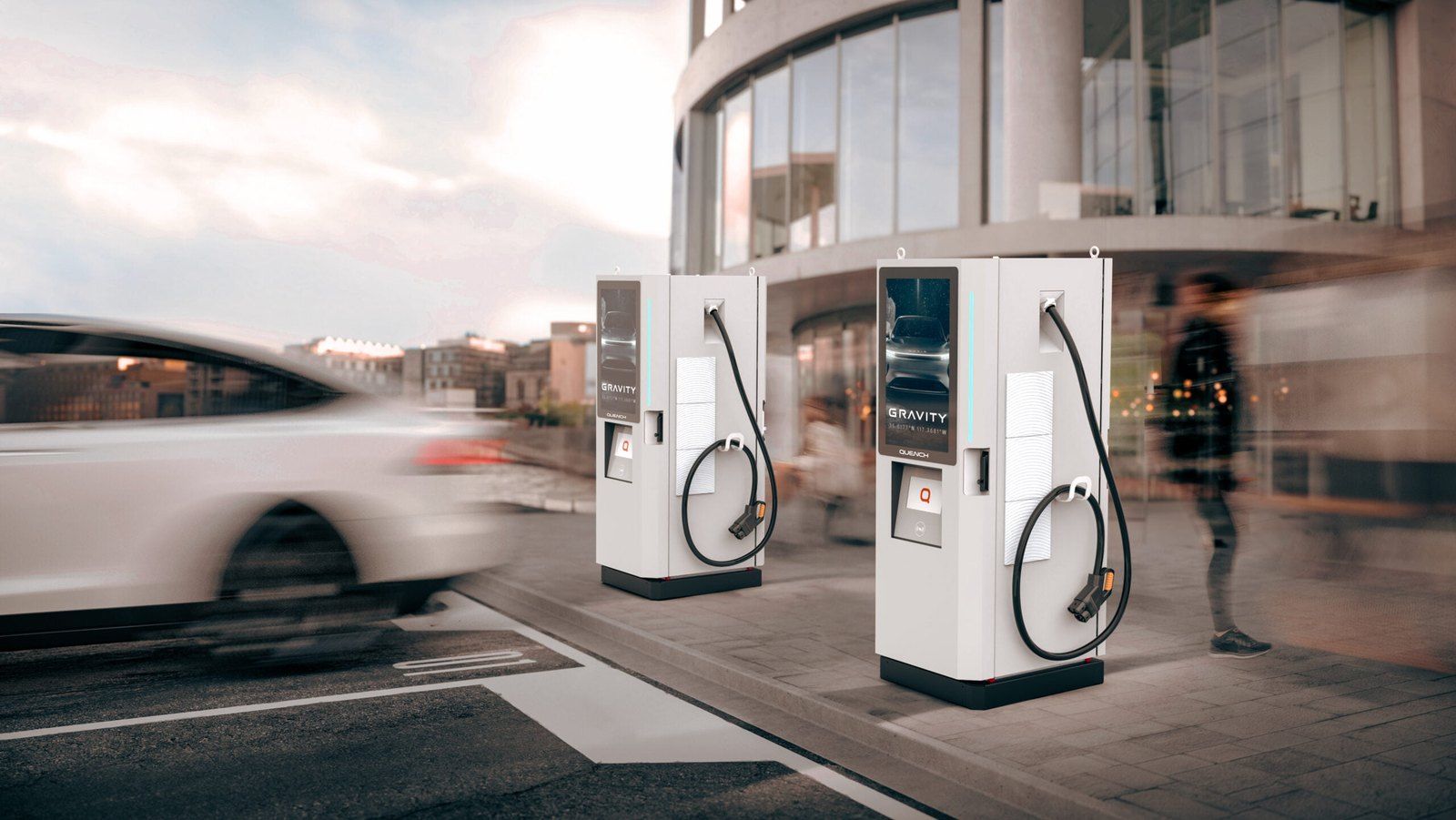
The Vadodara-based charging operator has expanded its deal with Ador Powertron's Quench Chargers for 120 kW to 480 kW systems, as it aims for 300 MW of network capacity.
Key facts
- ChargeZone plans to install DC fast chargers at 1,000 new locations in India, supplied by Quench Chargers, a subsidiary of Pune-based Ador Powertron.
- The chargers range from 120 kW units for cars on highways to 360 kW and 480 kW dispenser systems for buses, trucks and fleets.
- ChargeZone is aiming for 300 MW of cumulative network capacity; no completion date for the 1,000 sites has been given.
ChargeZone, one of India’s larger electric vehicle charging operators, plans to install DC fast chargers at 1,000 new locations across the country. It has expanded its partnership with Quench Chargers, a wholly owned subsidiary of Pune-based Ador Powertron, which will supply Made-in-India charging systems for the roll-out. The deal was announced in early November 2026.
What is being installed
The order covers DC chargers ranging from 120 kW units up to 480 kW dispenser systems. They are built around a modular 30 kW AC-DC converter block, so the same architecture can be configured anywhere from 30 kW to 480 kW.
ChargeZone says the roll-out will be split by use:
- Passenger cars: 120 kW DC fast chargers along highways and intercity routes, meant for shorter stops on long trips.
- Buses, trucks and commercial fleets: 360 kW and 480 kW dispenser systems, which let several vehicles charge at one site. This is where the company says the main focus lies, because charging speed and uptime directly affect how much a fleet vehicle can earn.
According to electrive, the chargers have a quoted energy-conversion efficiency of more than 96%, use forced-air cooling, and offer front access for easier maintenance. A digital CAN interface lets operators watch voltage, current and temperature in real time. The new units will be managed through ChargeCloud, ChargeZone’s software platform.
How big is ChargeZone today?
The two reports we reviewed describe the network differently, partly because they count different things:
- Autocar Professional reports that ChargeZone operates more than 15,000 charging points across over 1,200 locations in India and the UAE.
- electrive cites a LinkedIn post by founder and CEO Kartikey Hariyani at the end of August, which put the India network at more than 550 locations with a combined capacity of 120 MW.
Both agree on the target: ChargeZone wants to reach 300 MW of cumulative network capacity, and sees these 1,000 sites as a key step towards it. Neither report gives a completion date for the 1,000 locations.
Quench Chargers, for its part, says it has already deployed more than 1,500 DC fast chargers in India.
What it means for EV drivers
For car owners, the practical promise is more 120 kW chargers on intercity routes. Whether a car can use all of that power depends on the car itself: many smaller EVs accept far less than 120 kW, so they will charge at their own maximum rate, not the charger’s.
For commercial operators, high-power multi-vehicle hubs could matter more. Electric buses and trucks have large batteries, and a charger that serves several of them at once cuts queues at busy depots and highway stops.
Why it matters
India’s public charging network has grown quickly, but fast chargers are still thin outside big cities and major highways. The real test will be how fast the 1,000 sites go live, and how reliably they work once they do.
What to watch
- A timeline and city or highway list for the new sites.
- How many of the 1,000 locations are aimed at passenger cars versus commercial fleets.
- Published per-kWh tariffs at the new high-power sites.
Charged Times compiled this report from the published coverage listed below. Where reports differ, we have shown both figures and said where each comes from.
Frequently asked questions
How many new charging sites is ChargeZone adding?
ChargeZone plans to install DC fast chargers at 1,000 new locations across India, under an expanded partnership with Quench Chargers announced in early November 2026.
What power are the new ChargeZone chargers?
They range from 120 kW units up to 480 kW dispenser systems, built around a modular 30 kW AC-DC converter. Passenger cars get 120 kW chargers on highways and intercity routes, while buses, trucks and fleets get 360 kW and 480 kW systems.
How big is the ChargeZone network?
Autocar Professional reports more than 15,000 charging points across over 1,200 locations in India and the UAE. electrive cites founder Kartikey Hariyani putting the India network at more than 550 locations with 120 MW of capacity at the end of August.
When will the 1,000 ChargeZone sites be ready?
Neither report we reviewed gives a completion date for the 1,000 locations.
Will my EV charge at 120 kW at a ChargeZone station?
Only if the car supports it. Many smaller EVs accept far less than 120 kW, so they charge at their own maximum rate, not the charger's.
Sources
Related stories
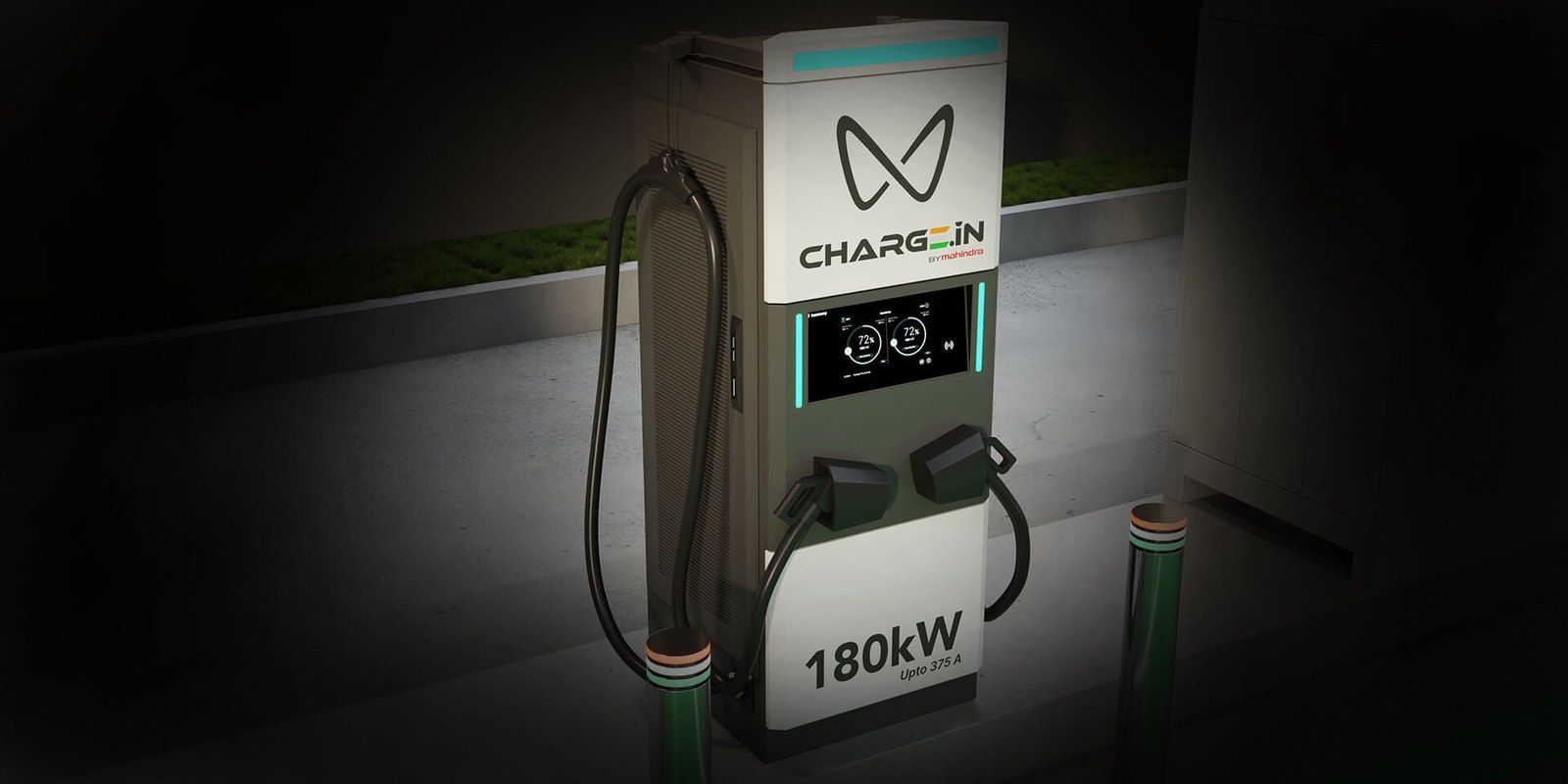
Mahindra's Charge_iN highway network reaches 59 ultrafast stations, targets 250 by end-2027
Mahindra's 180 kW charging network is open to EVs of every brand and now covers about 12,000 km of national highways, with a station roughly every 200 km on covered routes.
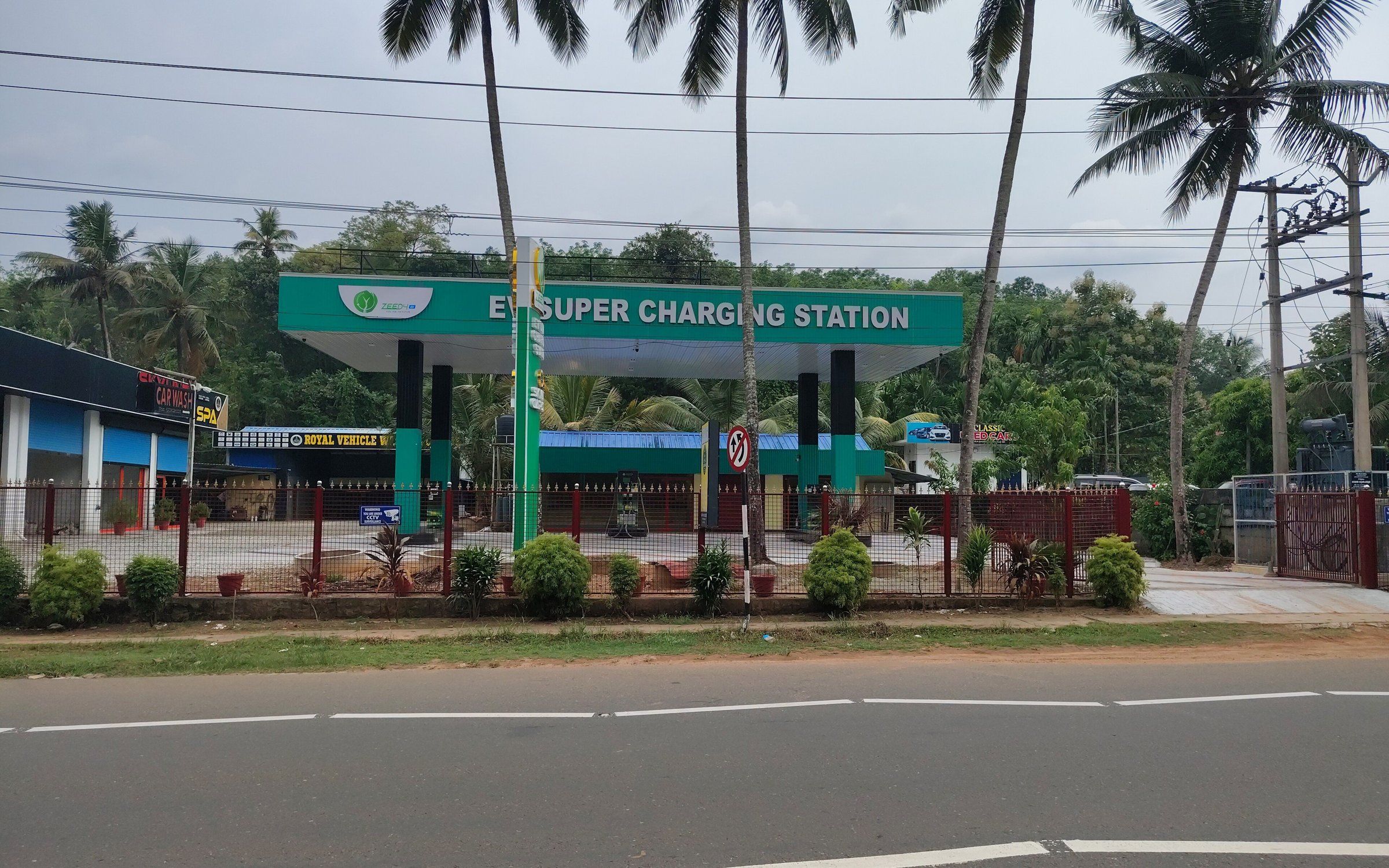
SIAM asks DISCOMs and charging operators to work to timelines, and calls e-truck charging 'the next frontier'
At SIAM's first National EV Charging Day, president Shenu Agarwal said grid companies and operators must coordinate on deadlines. The PM's adviser Tarun Kapoor suggested a nodal officer to handle DISCOM issues.
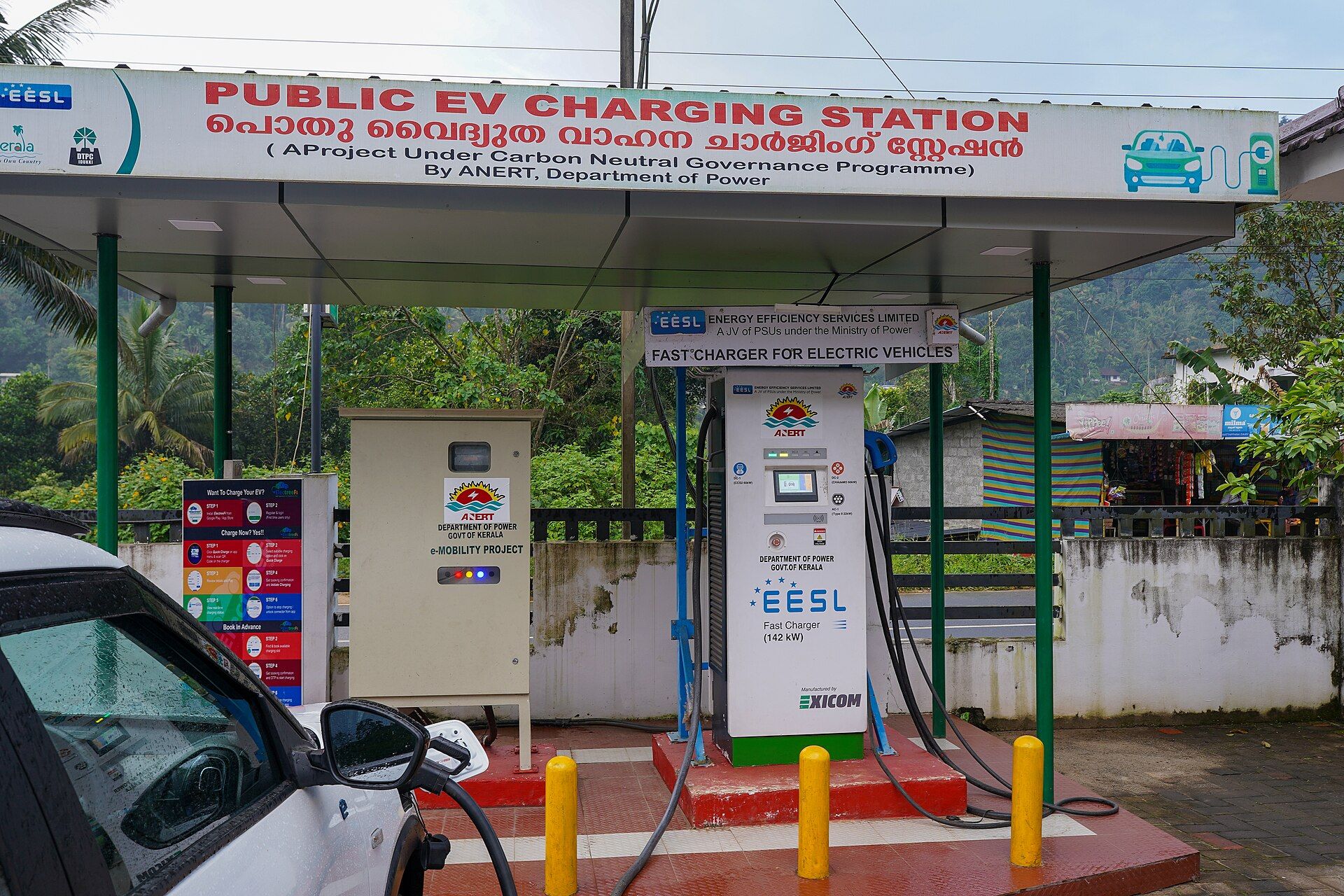
Unified Bharat e-Charge to grow beyond its five-state pilot, says heavy industries official
Additional Secretary Hanif Qureshi said about 12 charging operators are on the platform and wider rollout will follow as the network matures, though he gave no timeline.