Low-speed e-scooters: what the Centre's draft rules change, and why regulation is back on the table
A draft amendment would let registration-free e-scooters use motors of up to 600 W, but drop the 60 kg weight cap and add safety certification. BusinessLine reports the transport ministry is now working on further rules for the segment.
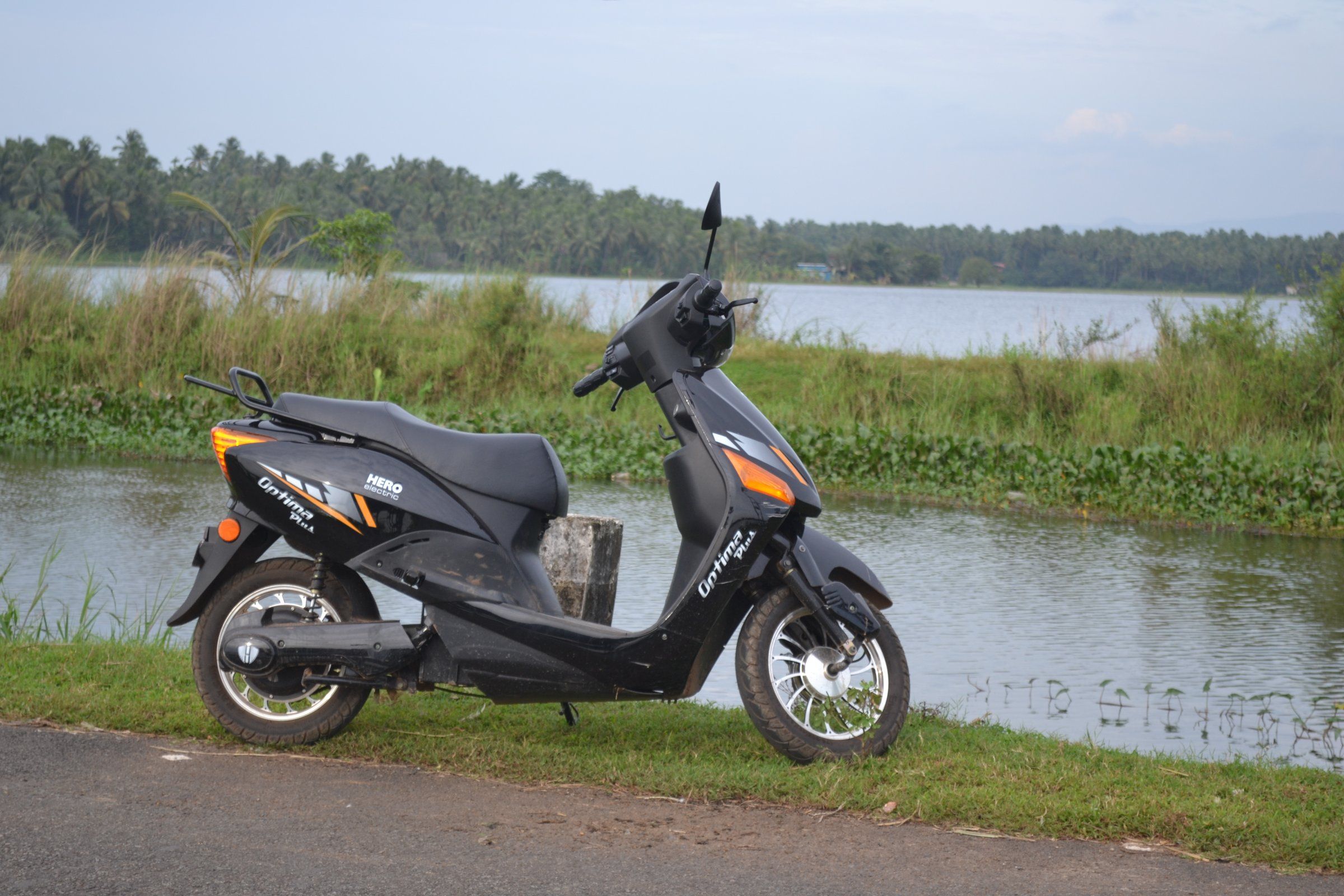
Key facts
- Under Rule 2(u) of the Central Motor Vehicles Rules, 1989, an electric two-wheeler with a motor of 250 W or less, a top speed of no more than 25 km/h and unladen weight (without battery) within 60 kg is not a motor vehicle, so it needs no registration or licence.
- A MoRTH draft amendment, G.S.R. 760(E) of 21 August 2026, proposes raising the motor limit to just under 600 W, keeping the 25 km/h cap and dropping the weight limit, with safety certification required.
- We could not find a final notification, so treat the new limits as proposed, not in force.
Electric scooters that top out at 25 km/h occupy an unusual place in Indian law. As long as they stay within set limits, they are not treated as motor vehicles at all, so riders need no registration, number plate or driving licence. That exemption has made them popular with delivery riders, and it is now under review on two fronts.
What are the rules for low-speed e-scooters today?
Under Rule 2(u) of the Central Motor Vehicles Rules, 1989, a battery-operated two-wheeler escapes motor-vehicle status if its motor is rated at 250 W or less, its top speed is no more than 25 km/h and its unladen weight (without the battery) is within 60 kg.
What the draft proposes
On 21 August 2026, the Ministry of Road Transport and Highways (MoRTH) published a draft amendment, G.S.R. 760(E), in the Gazette of India. Its main changes:
- More power: the motor’s thirty-minute power rating could go up to just under 0.6 kW (600 W), from under 0.25 kW.
- Same speed cap: top speed stays below 25 km/h.
- No weight limit: the 60 kg unladen-weight ceiling would be dropped.
- Safety certification: qualifying vehicles would need certification from an authorised testing agency, suitable brakes, a white front reflector and a red rear reflector, and compliance with safety requirements in Annex A of AIS-049 (Rev. 1). Pedal-assisted models would have to cut motor output at 25 km/h or when pedalling stops.
The draft said the changes would come into force on 1 October 2026, and invited public objections for 30 days. We could not find a final notification of the amendment, so readers should treat these limits as proposed rather than in force.
Industry split
BusinessLine reported in September that the draft divided the industry. Full-service makers such as BGauss saw a bigger market opening up, because a 600 W limit with no weight cap makes it easier to engineer a useful low-speed scooter. Shared-mobility company Yulu objected, arguing that weight was the only limit that could not be changed with software after sale, and that removing it could allow heavier vehicles to be certified as low-speed and later modified to go faster. The newspaper noted that MoRTH had warned states in 2022 about two-wheelers sold as low-speed vehicles despite being capable of 40–55 km/h.
Why it’s back in the news
On 17 November, BusinessLine reported, citing government sources, that MoRTH is working on standards and regulations for low-speed electric two-wheelers, because some companies are fitting high-powered motors to vehicles sold in the name of last-mile mobility. This is reported by BusinessLine alone, and the ministry has not published details.
Estimates of the segment’s size vary widely. BusinessLine’s September report cited industry estimates of 2.3–2.6 lakh units in FY26, while its November report cited Elara Capital data putting FY26 volumes at 18.68 lakh units. The reports do not explain the gap, so the true figure is uncertain.
Why it matters
For riders, especially gig workers, the exemption keeps the cost of getting on the road low. For regulators, the worry is safety and enforcement: vehicles outside the registration system are hard to track, and tampered scooters can be much faster than their paperwork suggests. Established petrol two-wheeler makers are also watching closely, BusinessLine reported, because low-speed EVs compete with their entry-level models.
What to watch
- Final notification: whether the 600 W draft is notified as proposed, and whether a weight or load limit returns.
- New standards: any further rules MoRTH publishes on identification, traceability or speed-limiter tamper-proofing.
- Enforcement: how states deal with scooters that exceed the limits.
Sources
Frequently asked questions
Do low-speed electric scooters need registration or a licence in India?
Not if they stay within the limits of Rule 2(u) of the Central Motor Vehicles Rules, 1989: motor rated at 250 W or less, top speed no more than 25 km/h and unladen weight (without the battery) within 60 kg. Such vehicles need no registration, number plate or driving licence.
What does the draft low-speed EV rule G.S.R. 760(E) propose?
Published on 21 August 2026, it proposes a thirty-minute motor power rating of just under 0.6 kW (600 W), keeps the top speed below 25 km/h, drops the 60 kg weight limit, and requires safety certification from an authorised testing agency, suitable brakes and front and rear reflectors.
Is the 600 W low-speed scooter rule in force?
The draft said the changes would come into force on 1 October 2026, but we could not find a final notification, so the limits should be treated as proposed rather than in force.
Why are low-speed electric scooters under review?
BusinessLine reported on 17 November 2026, citing government sources, that MoRTH is working on standards because some companies fit high-powered motors to vehicles sold as low-speed last-mile mobility.
Sources
- Gazette of India: G.S.R. 760(E), draft Central Motor Vehicles (Amendment) Rules, 2026 (21 Aug 2026), via Gazette Tracker (gazettetracker.com)
- BusinessLine: MoRTH plans more powerful low-speed EVs without registration; industry splits over exemption (13 Sep 2026) (thehindubusinessline.com)
- BusinessLine: Government plans standards for low-speed electric two-wheelers popularised by gig workers (17 Nov 2026) (thehindubusinessline.com)
Related stories
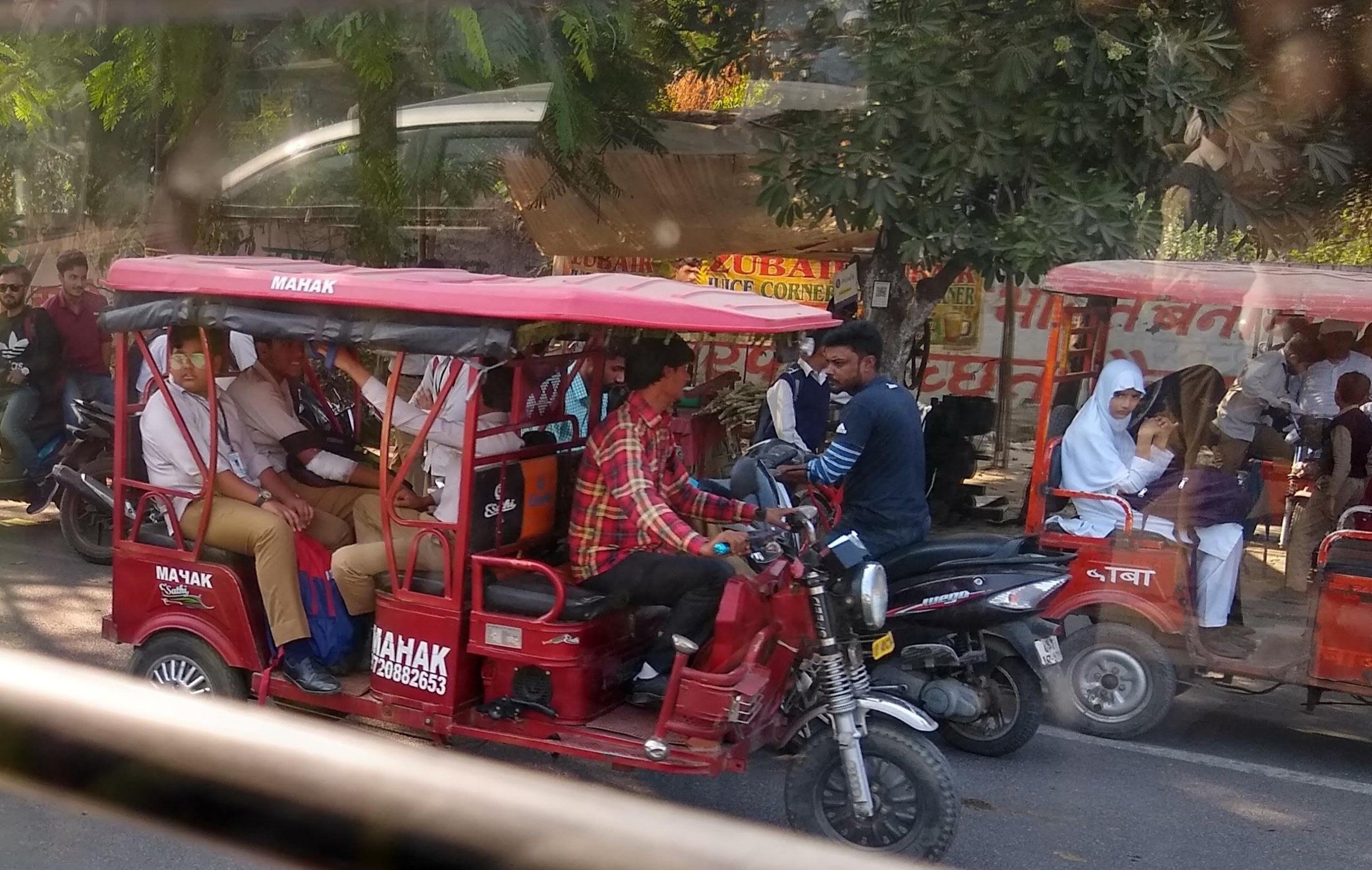
Centre preparing Bharat NCAP-style safety standards for e-rickshaws, says Gadkari
Road transport minister Nitin Gadkari says safety standards for e-rickshaws modelled on the Bharat NCAP crash-test programme are in the works. No test details or timeline have been given yet.
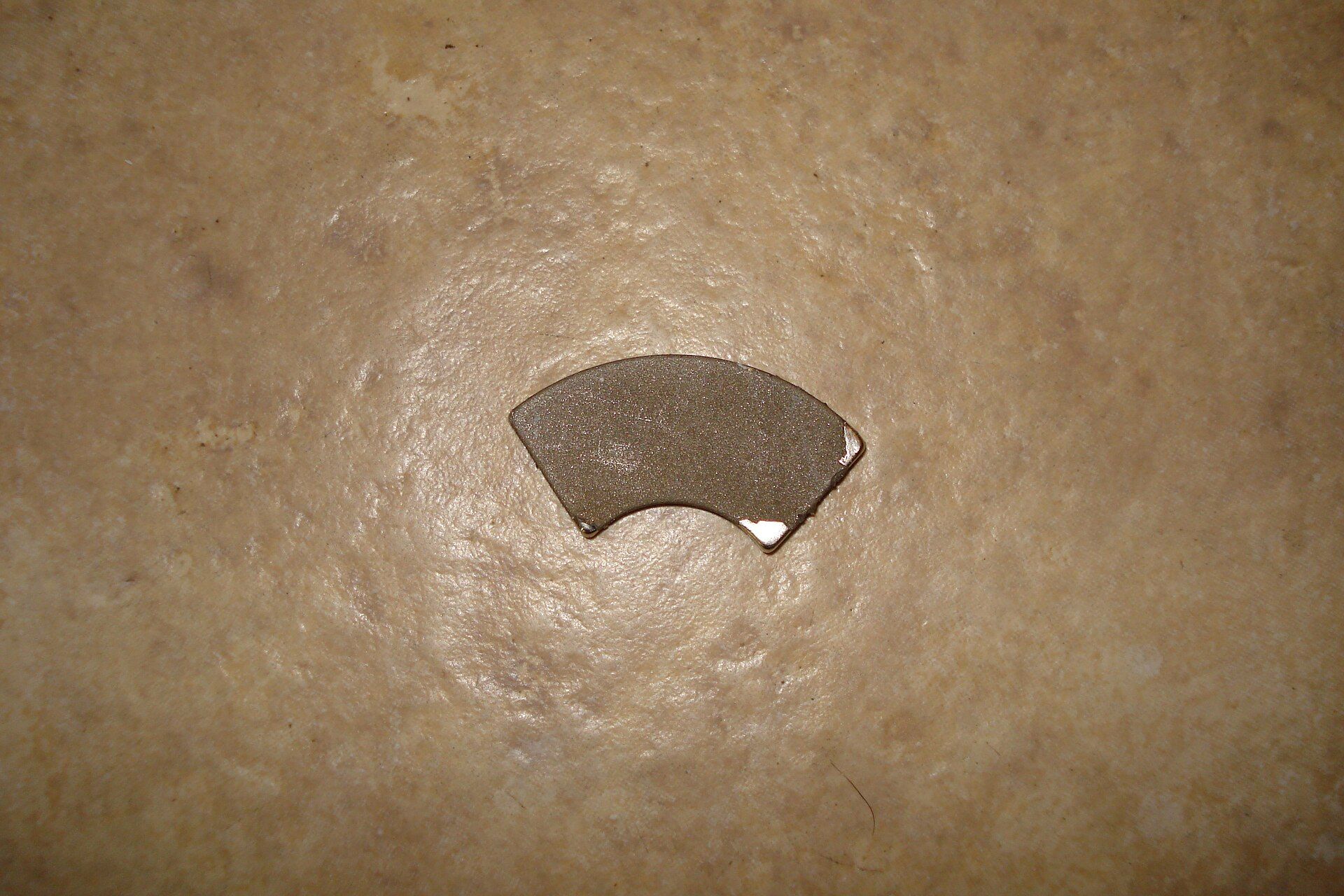
Coal India, ReNew, Prozeal and Midwest get letters of intent under India's ₹7,280 crore rare-earth magnet scheme
Four companies were handed letters of intent on 19 November. The scheme targets 6,000 tonnes a year of sintered magnet capacity, a key input for EV motors; allocations per firm were not specified.
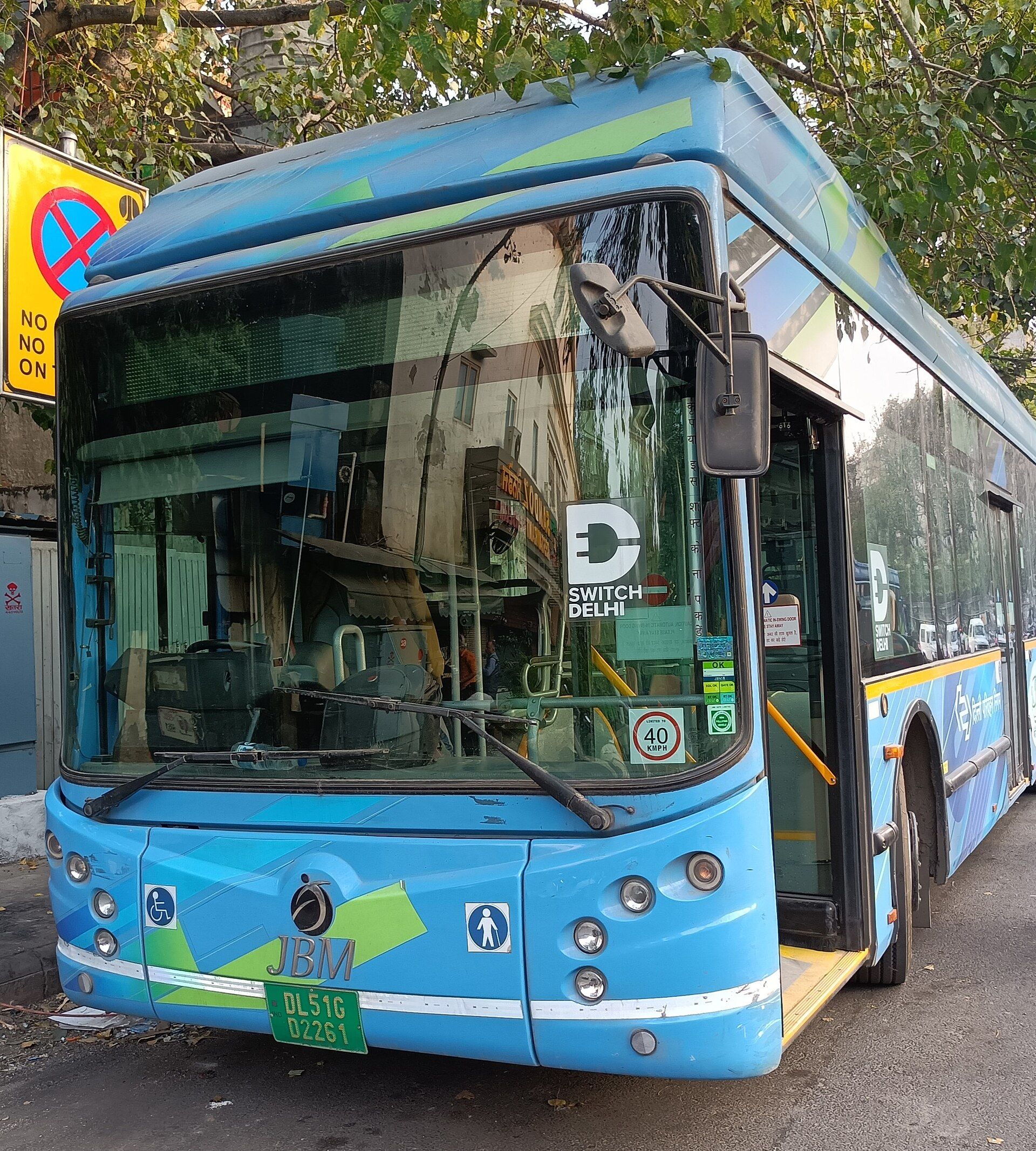
Centre launches IT portal for PM-eBus Sewa payment-security scheme covering 38,000+ electric buses
Heavy Industries Minister H D Kumaraswamy launched the portal on 19 November; the ₹3,435 crore mechanism is meant to protect bus operators from payment defaults by transport authorities.