Finance Ministry makes EVs the default for government staff cars and sets a ₹20 lakh price ceiling
An office memorandum dated 10 November says ministries should ordinarily buy electric vehicles when replacing staff cars, with a ₹20 lakh net dealer price ceiling for EVs against ₹10 lakh for petrol, diesel and hybrid cars.
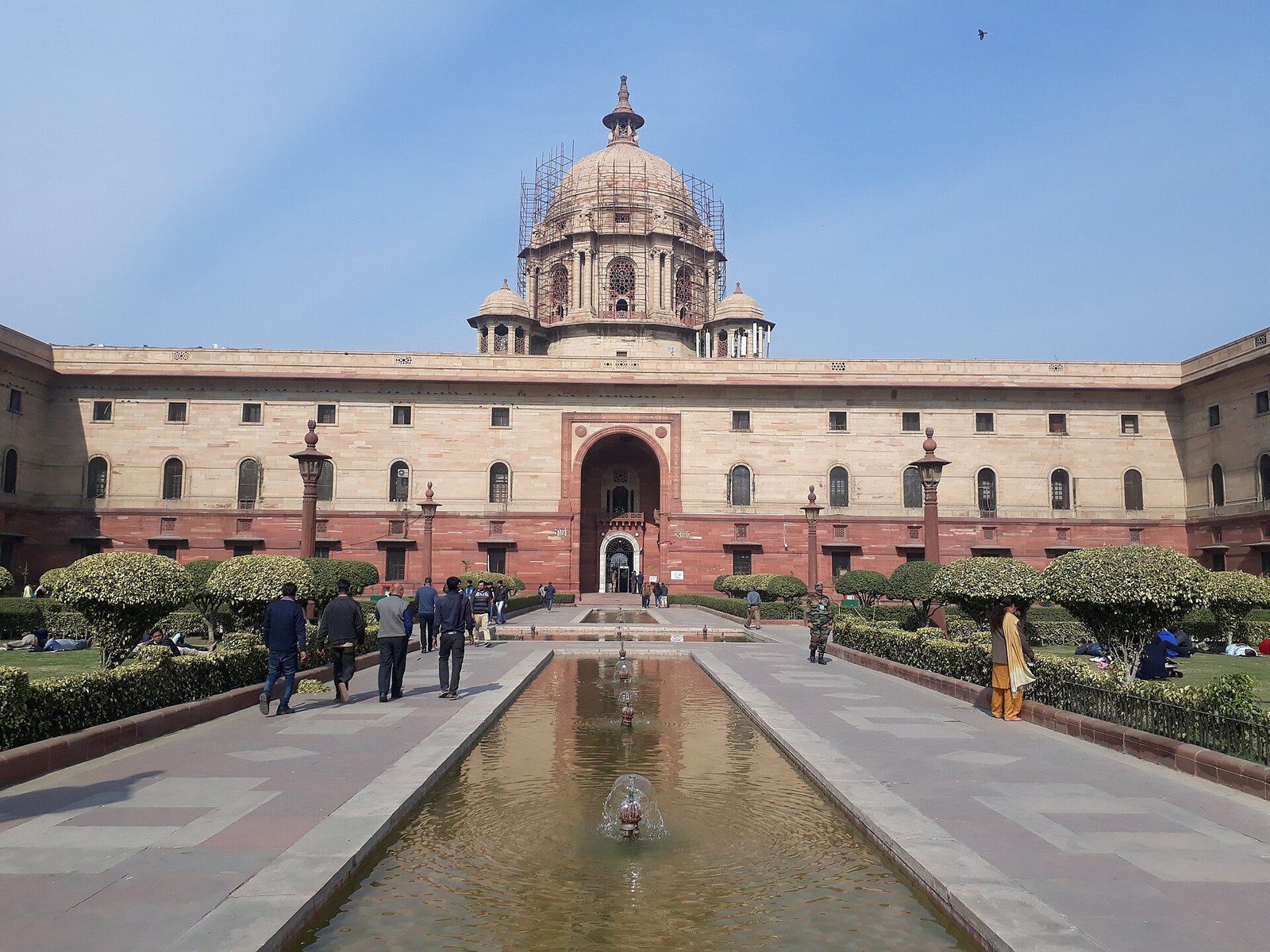
Key facts
- A Department of Expenditure office memorandum dated 10 November 2026 asks central ministries and departments to make electric vehicles the default and preferred choice when replacing staff cars.
- The net dealer price ceiling is ₹20 lakh for electric vehicles and ₹10 lakh for petrol, diesel and hybrid cars.
- It is a procurement guideline for official cars, not a car allowance, loan or subsidy for government employees.
The Finance Ministry has asked central government ministries and departments to make electric vehicles the “default and preferred choice” when they replace staff cars. The instruction is in an office memorandum from the Department of Expenditure dated 10 November 2026, as reported by The Hindu and Mint.
What the memorandum changes
- Price ceiling: the net dealer price (NDP) ceiling for procuring electric vehicles is ₹20 lakh. For internal combustion (ICE) vehicles, meaning petrol, diesel and hybrid, it is ₹10 lakh. The Hindu notes that the 2022 instructions had fixed the ceiling at ₹6 lakh.
- EV by default: when ministries and departments condemn and replace an existing ICE staff car, they should ordinarily buy an EV.
- Exceptions need justification: if a department thinks an EV is not practical, it must send a justified proposal to the Department of Expenditure for relaxation case by case. The proposal needs the approval of the administrative ministry’s secretary and the concurrence of its financial adviser.
- Hiring rules continue: the ministry said all departments will continue to follow the 2022 instructions that require hiring EVs.
The Finance Ministry gave its reasons as promoting electric mobility, reducing dependence on fossil fuels, and reflecting prevailing market prices and lifecycle costs.
What it does not do
Mint points out that this is an administrative procurement guideline. It does not give central government employees ₹20 lakh to buy a car, and it does not announce a new car allowance, loan facility or personal EV subsidy. The rules cover staff cars bought or hired by ministries and departments for official use. They do not ban petrol, diesel or hybrid staff cars outright.
Why it matters
Government fleets are a small slice of the market, but a ₹20 lakh ceiling puts many mainstream electric cars within reach for official purchases. Our comparisons of electric cars under ₹15 lakh and electric SUVs from ₹16 lakh to ₹19 lakh show which models currently fall below that line. Supply is a separate question: Tata Motors has said it can meet only 60–65% of EV demand. The memorandum does not name any model or manufacturer.
Frequently asked questions
What is the price limit for government electric staff cars?
The net dealer price ceiling for procuring electric vehicles is ₹20 lakh. For petrol, diesel and hybrid cars it is ₹10 lakh. The Hindu notes the 2022 instructions had fixed the ceiling at ₹6 lakh.
Do central government employees get ₹20 lakh to buy an electric car?
No. Mint points out this is an administrative procurement guideline for staff cars bought or hired by ministries for official use. It does not announce a car allowance, loan facility or personal EV subsidy.
Are petrol and diesel staff cars banned?
No. EVs should ordinarily be bought when an existing ICE staff car is replaced, but a department that finds an EV impractical can seek a case-by-case relaxation from the Department of Expenditure with a justified proposal.
When was the EV staff car memorandum issued?
The office memorandum from the Department of Expenditure is dated 10 November 2026, as reported by The Hindu and Mint.
Sources
Related stories
Coal India, ReNew, Prozeal and Midwest get letters of intent under India's ₹7,280 crore rare-earth magnet scheme
Four companies were handed letters of intent on 19 November. The scheme targets 6,000 tonnes a year of sintered magnet capacity, a key input for EV motors; allocations per firm were not specified.
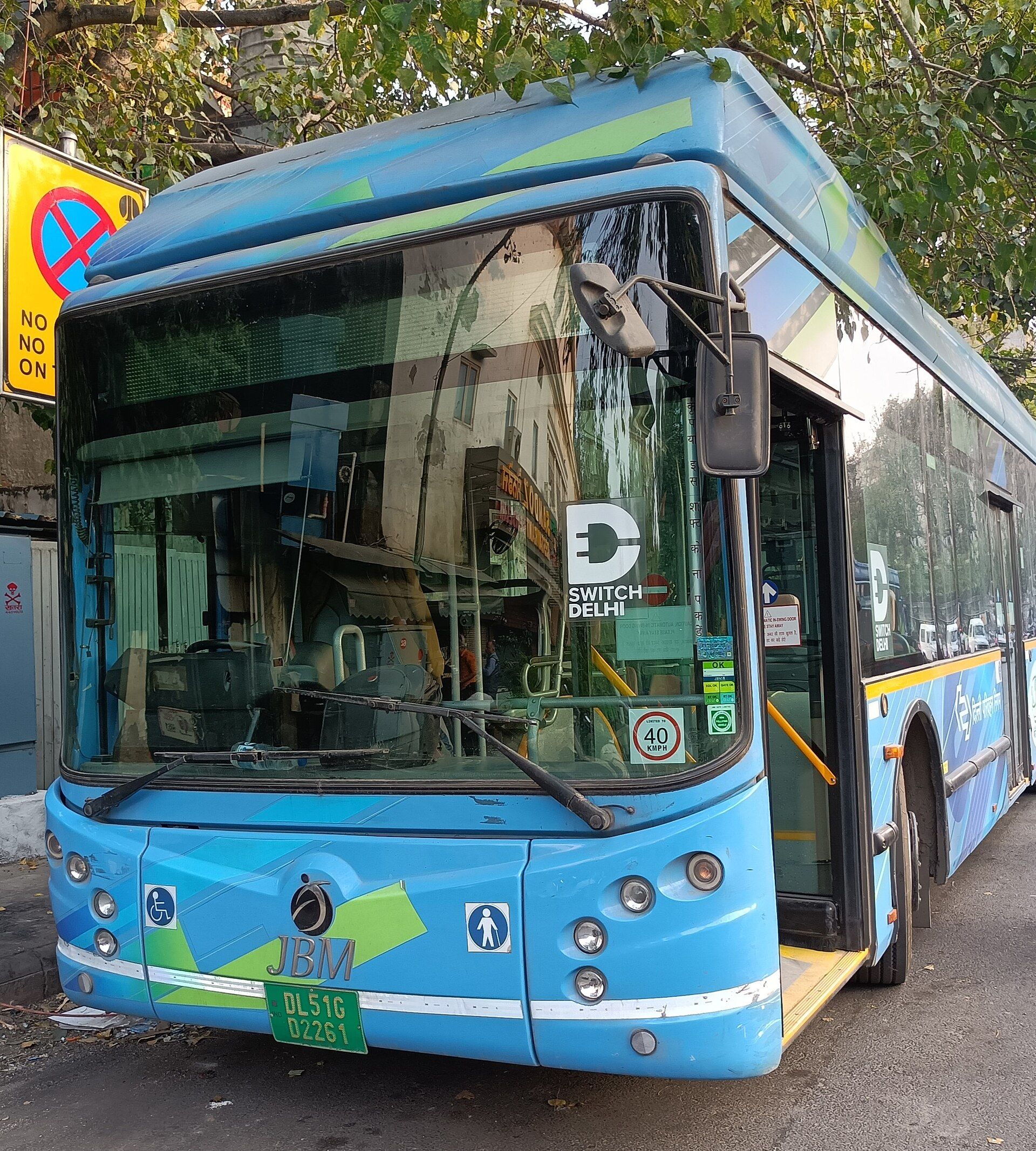
Centre launches IT portal for PM-eBus Sewa payment-security scheme covering 38,000+ electric buses
Heavy Industries Minister H D Kumaraswamy launched the portal on 19 November; the ₹3,435 crore mechanism is meant to protect bus operators from payment defaults by transport authorities.
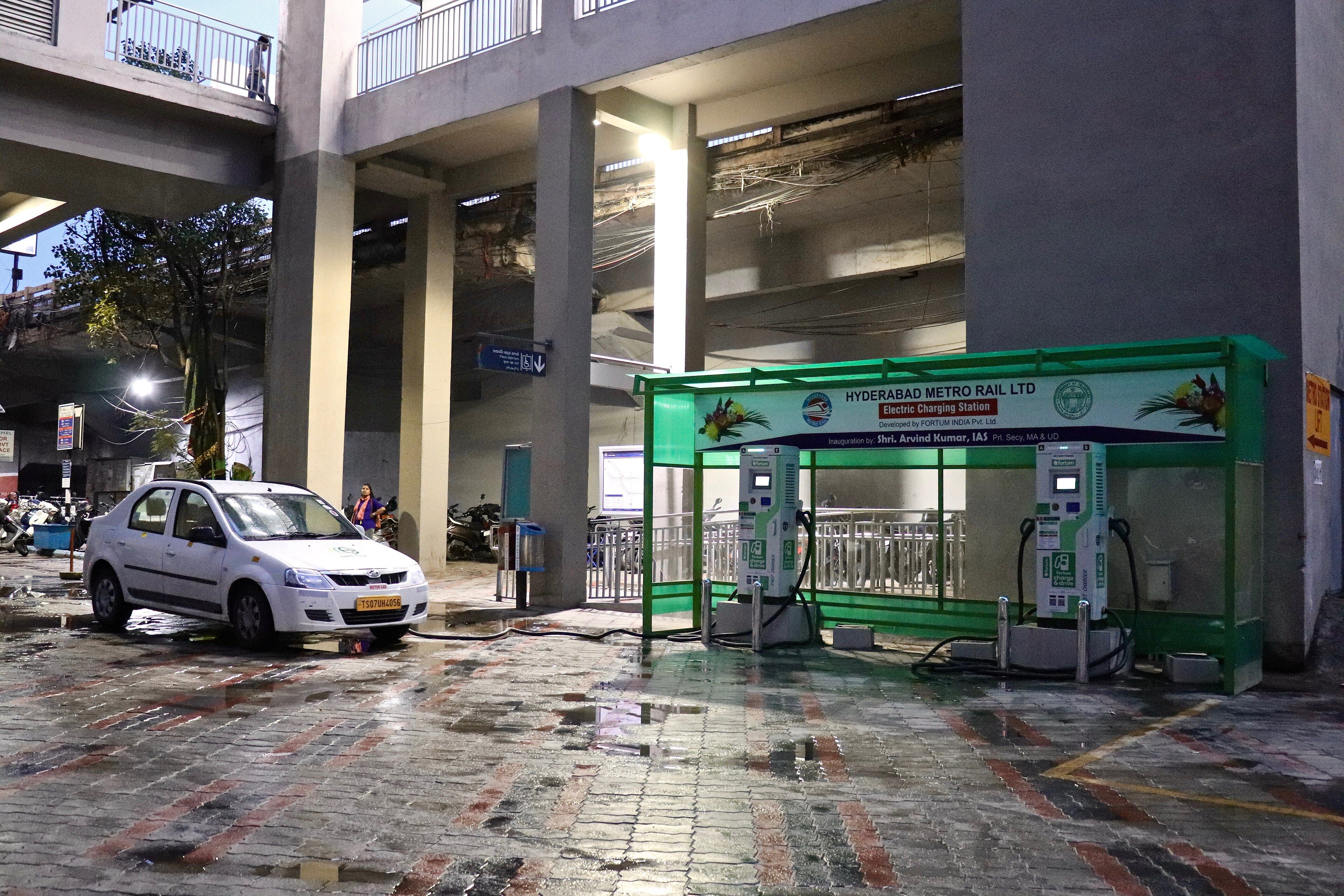
PM E-DRIVE passes 30 lakh EVs sold, says Kumaraswamy, as he calls for faster charger rollout
More than 30 lakh electric vehicles had been sold under PM E-DRIVE as of 30 September 2026, Heavy Industries Minister H D Kumaraswamy said. He wants chargers that work, and chargers beyond the big cities.