Some public EV chargers are used less than 1% of the time, says PM's adviser Tarun Kapoor
Low use is leaving some public charging stations poorly maintained, Tarun Kapoor, Adviser to the Prime Minister, said. He wants more chargers in parking lots and housing societies, and more charging during the day.
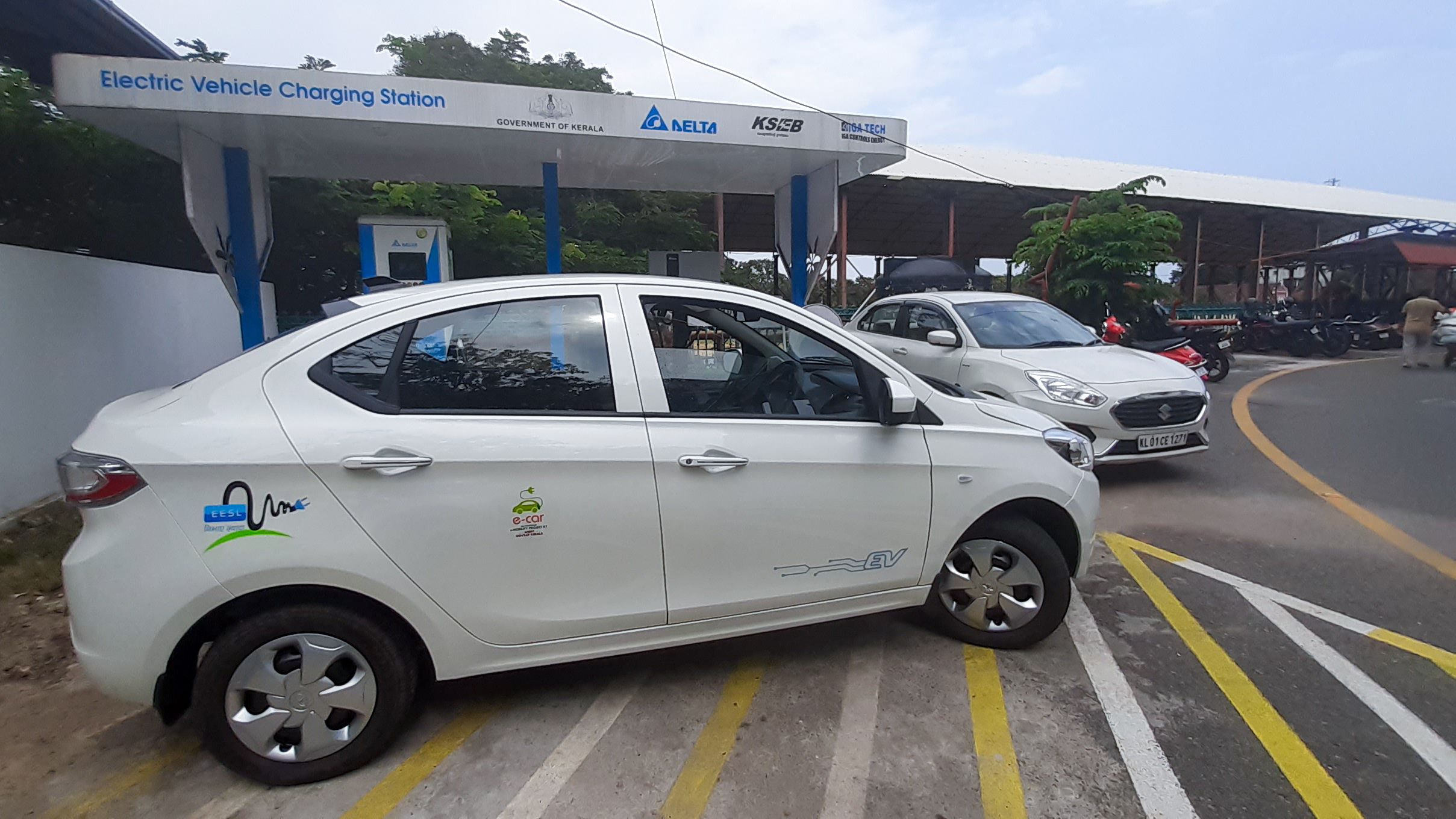
Key facts
- Tarun Kapoor, Adviser to the Prime Minister, said some public EV charging stations in India are used less than 1% of the time, and that low use is leaving them poorly maintained.
- He said charging should spread beyond petrol pumps to parking lots and residential societies, and that the government would like more charging during the day, when India has surplus power.
- He said much of the PM E-DRIVE money for charging is still unspent, and that the government could add more if needed.
Some of India’s public EV charging stations are barely being used, and that is hurting their upkeep. Tarun Kapoor, Adviser to the Prime Minister, said on Friday that operators report utilisation of less than 1% at some sites, CNBC-TV18 reported. He was speaking at SIAM’s EV Charging Day event in Delhi.
Petrol pumps were the first bet
Kapoor said the government’s early plan leaned heavily on petrol pumps to host public chargers, and that this ran into maintenance problems. When a charger is hardly used, he said, the companies running it have little reason to keep it working.
India has about 90,000 petrol pumps, and oil marketing companies had set a target of 24,000 charging stations, according to the report. Some of those installations were supported under the FAME and PM E-DRIVE schemes, and the oil companies also invested on their own.
Installing chargers is not enough on its own, Kapoor said. He called for organisations that are “fully committed” to providing and maintaining charging, and said the sector still faces open questions on technology, maintenance costs and business models.
Societies, parking lots and daytime charging
Kapoor said public charging should move into parking lots and residential societies, where many vehicles stand for long periods. Petrol pumps would stay important because they already have fuel infrastructure, staff and regular traffic, he said, but the government is also looking at other locations.
He also wants more charging to happen in daylight. “We would be happy if charging takes place during the daytime because we have surplus electricity during the day,” he said. Daytime charging backed by solar power could help the grid manage demand, he added.
Grid connections are expensive
Kapoor pointed to the cost of connecting a charging station to the distribution network as another hurdle. He said power distribution companies sometimes ask for large sums, especially for high-capacity connections of 100 kW or more.
PM E-DRIVE has provisions to support this part of the investment, he said, and a significant share of the money set aside remains unspent. He said there is “a good amount of money available” for charging infrastructure, and that the government would be willing to add more if needed.
Why it matters
A charger that is installed but not working is worse than useless for buyer confidence. The comments come as the government pushes more money into public charging. Heavy Industries Minister H D Kumaraswamy, speaking at the same event, said more than 30 lakh EVs have been sold under PM E-DRIVE. For how the scheme’s charging money works, see our PM E-DRIVE explainer.
Charged Times compiled this report from CNBC-TV18’s coverage of Kapoor’s remarks. The report did not name the stations or operators with low utilisation.
Frequently asked questions
What did Tarun Kapoor say about public charger use?
He said operators report that some public charging stations are used less than 1% of the time, and that such low use means they do not get maintained.
Where does he want more chargers?
In parking lots and residential societies, where many vehicles stay parked for long periods. He said petrol pumps would remain important locations.
Why does daytime charging matter?
Kapoor said India has surplus electricity during the day, and that daytime charging backed by solar power could help the grid manage demand.
Is there money left for charging under PM E-DRIVE?
Kapoor said a significant part of the funds allocated for charging remains unspent, and that the government would be willing to add more if needed.
Sources
Related stories
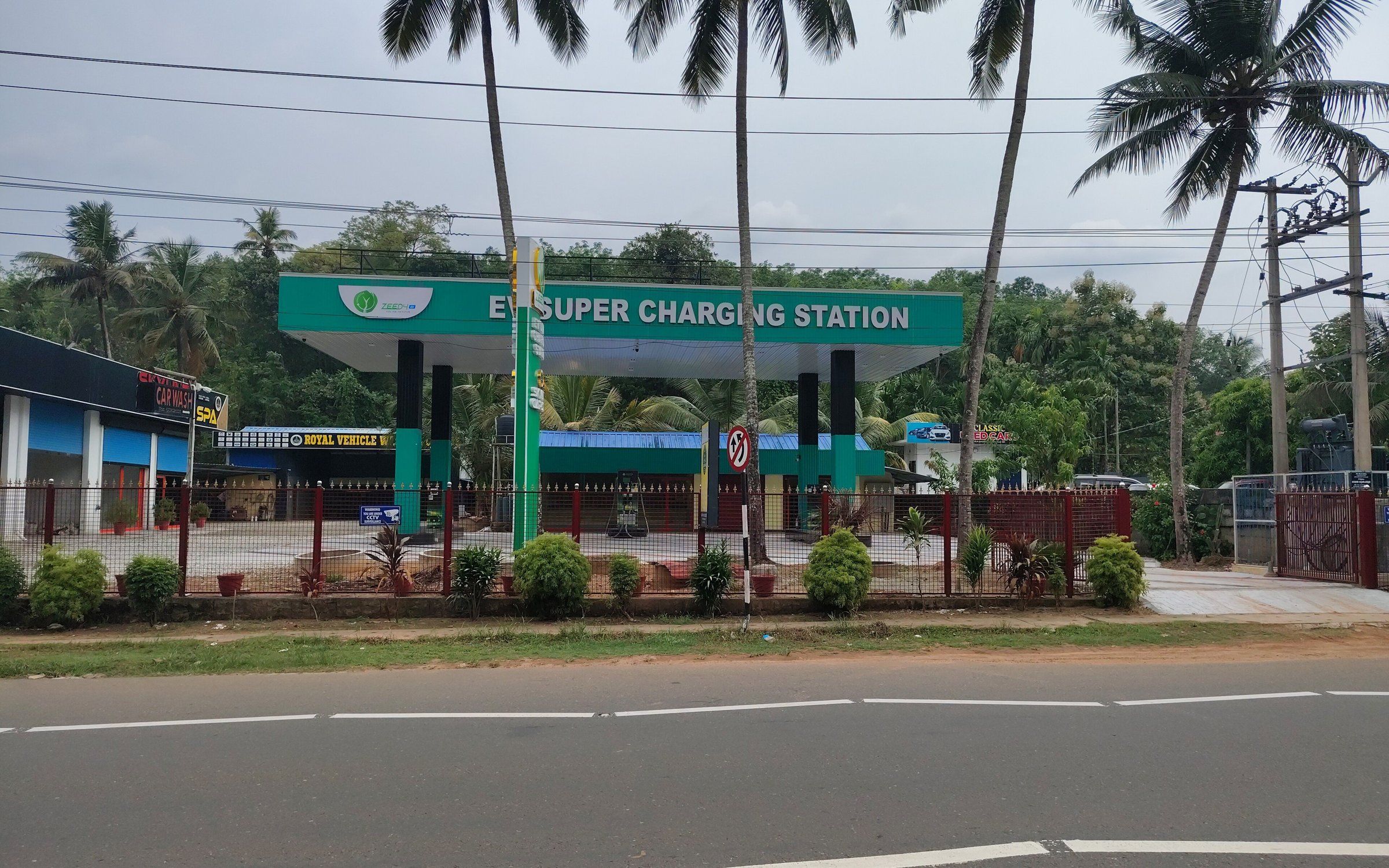
SIAM asks DISCOMs and charging operators to work to timelines, and calls e-truck charging 'the next frontier'
At SIAM's first National EV Charging Day, president Shenu Agarwal said grid companies and operators must coordinate on deadlines. The PM's adviser Tarun Kapoor suggested a nodal officer to handle DISCOM issues.
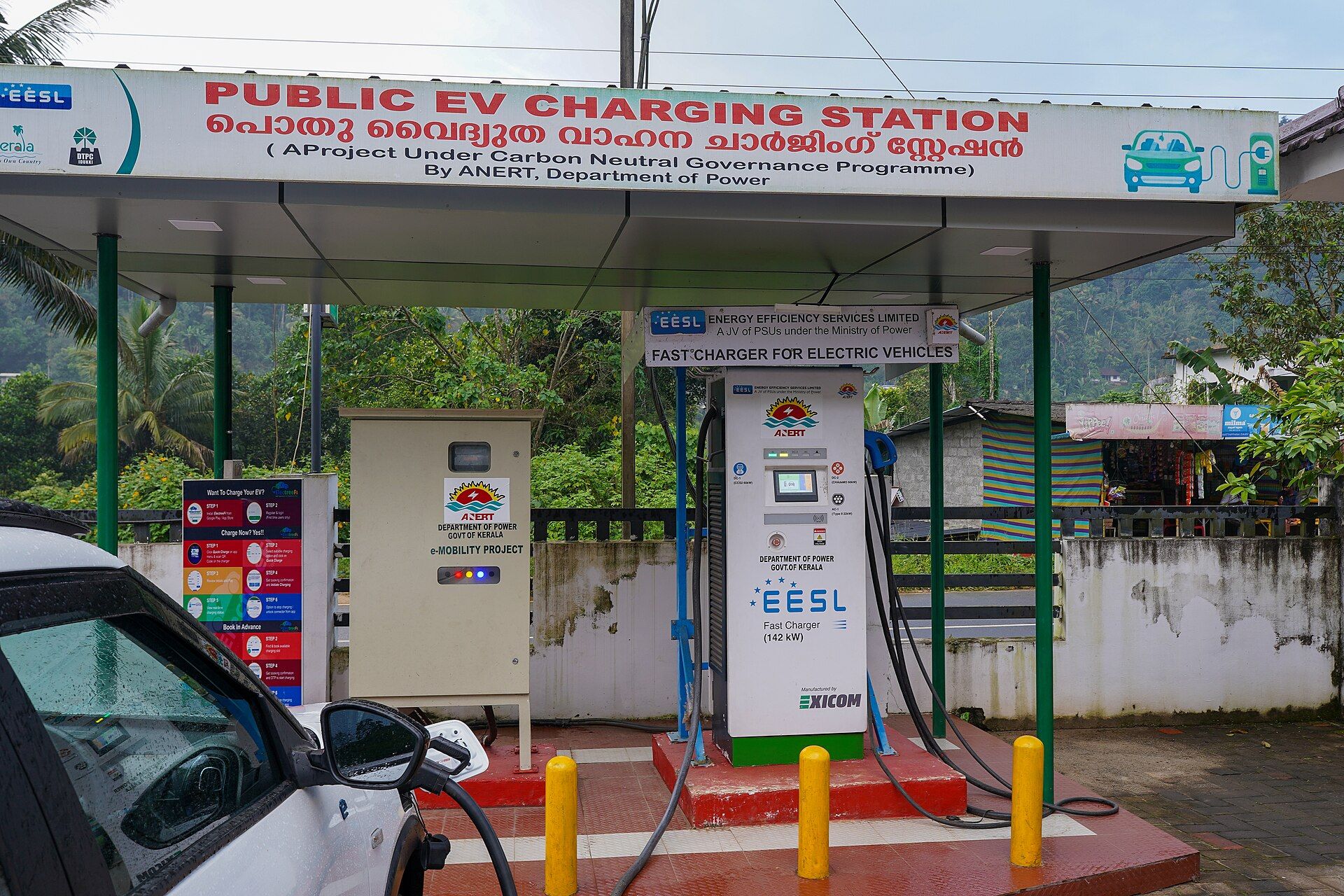
Unified Bharat e-Charge to grow beyond its five-state pilot, says heavy industries official
Additional Secretary Hanif Qureshi said about 12 charging operators are on the platform and wider rollout will follow as the network matures, though he gave no timeline.
Bank of Baroda launches 'bob Green PLUG' loans for EV charging and battery-swap stations
The public sector lender is offering loans of above ₹10 lakh and up to ₹5 crore at 8.15% to 9.60% a year for charging stations, battery-swapping sites and allied facilities.