CCS2, Type 2 and LEV connectors: which EV charging plug fits your vehicle in India
A plain-English guide to the charging connectors used in India, based on the Bureau of Indian Standards' EV guide and the PM E-DRIVE charging rules.
Key facts
- In India, electric cars use Type 2 for AC charging and CCS2 for DC fast charging; buses and trucks use CCS2 at much higher power.
- Electric two- and three-wheelers usually use the light EV connectors, BIS Type 6 or Type 7, at up to 12 kW on PM E-DRIVE public chargers.
- A more powerful charger will not damage a car: the car only draws what its battery system can safely accept.
Pull into a public charging station in India and you may see two or three different plugs hanging from the chargers. Picking the right one is simple once you know what each is for. This guide is based on two official documents: the Bureau of Indian Standards (BIS) publication on electric vehicles, which lists the connector types and their Indian standards, and the Ministry of Heavy Industries’ operational guidelines for public charging stations under the PM E-DRIVE scheme.
The short answer
- Electric car, AC charging: Type 2.
- Electric car, DC fast charging: CCS2.
- Electric bus or truck: CCS2, at much higher power.
- Electric scooter, motorcycle or auto: usually the light EV connectors (BIS Type 6 or Type 7), though many two-wheelers still charge from a portable charger on a home socket.
Always check your owner’s manual or the charging port on the vehicle before you plug in.
Type 2: the AC plug for cars
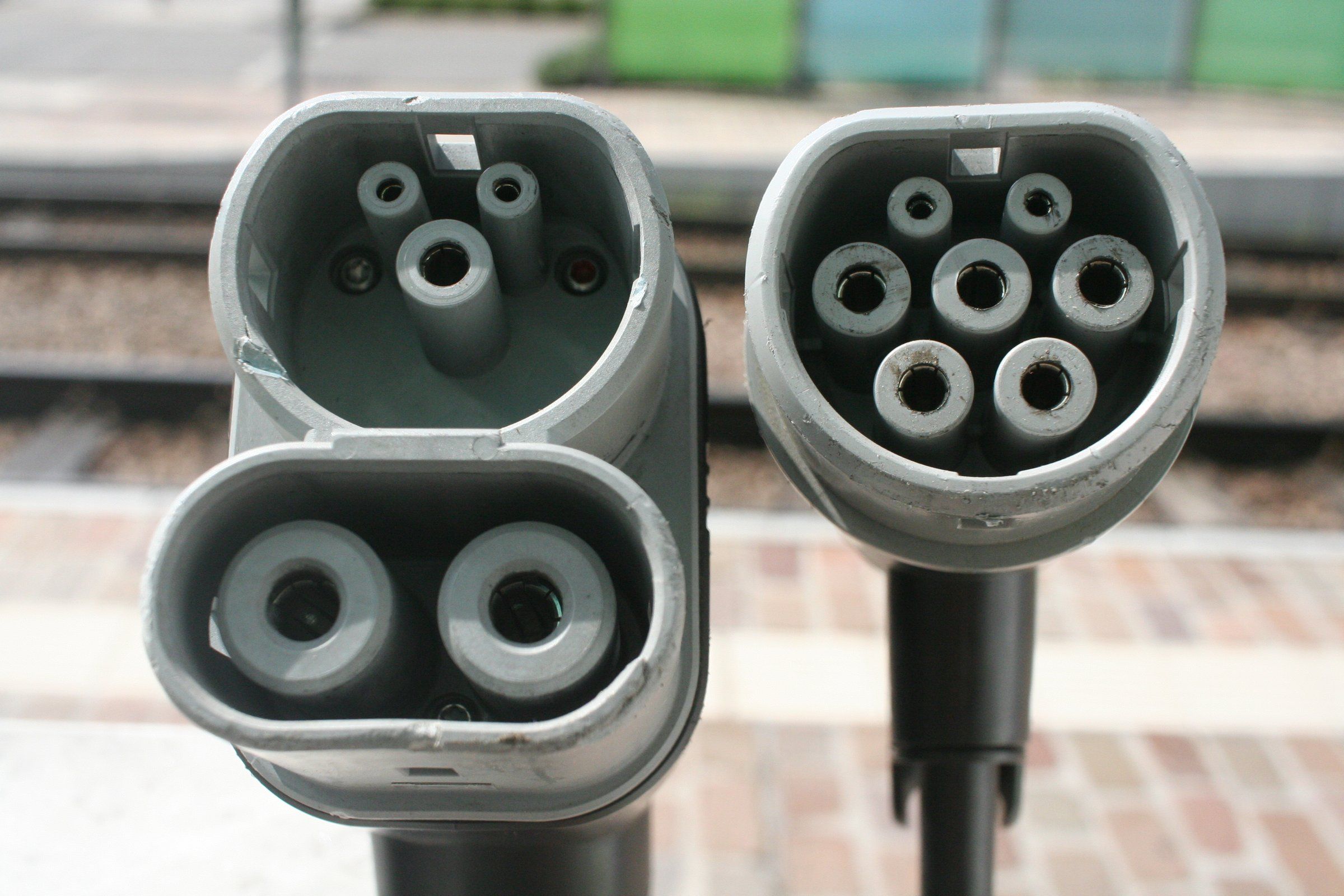
BIS describes Type 2 as the connector for AC charging, supporting both single-phase and three-phase supply, and widely used at public and private AC charging points. It is covered by IS 17017 (Part 2/Sec 2). BIS lists AC charging power of typically up to 22 kW.
AC charging is slower because the car’s own on-board charger converts AC to DC for the battery, and that on-board charger limits the speed.
CCS2: the fast-charging standard
CCS2 (Combined Charging System 2, called Type FF in the BIS table) adds two large DC pins below a Type 2 layout. One inlet on the car can then take both AC (through the top part) and DC fast charging (through all of it). BIS calls it the standard for fast charging in India and globally, under IS 17017 (Part 2/Sec 3).
The PM E-DRIVE guidelines make CCS2 the required connector for subsidised fast chargers for cars, buses and trucks:
| Vehicle segment | Connector | Charger capacity |
|---|---|---|
| e-4Ws, e-buses, e-trucks | CCS-II (IS-17017-2-3) | DC 50 kW to 250 kW |
| e-buses, e-trucks | CCS-II (IS-17017-2-3) | DC high power, 250 kW to 500 kW |
For buses and trucks, the guidelines add that each charging gun must deliver at least 120 kW.
CHAdeMO: a legacy plug
BIS lists CHAdeMO (Type AA) as a specialised DC fast-charging connector mainly used by older EV models, found at some legacy charging setups in India. It is not among the connectors listed for new subsidised chargers in the PM E-DRIVE table.
Light EV connectors for two- and three-wheelers
Electric two- and three-wheelers run at much lower voltages than cars, so they have their own connectors:
- Type 6 (IS 17017 Part 2/Sec 6): a DC connector for light EVs operating up to 120 V DC and 100 A, with a locking mechanism on the charger side. BIS says it improves interoperability for two- and three-wheelers.
- Type 7 (IS 17017 Part 2/Sec 7): a newer light-EV connector that can handle AC, DC and combined AC/DC charging at higher ratings. BIS expects it to cater to future fast-charging needs of two- and three-wheelers.
Under PM E-DRIVE, public chargers for e-2Ws and e-3Ws use the Light EV DC (IS-17017-2-6) or Light EV AC/DC Combo (IS-17017-2-7) standards, at up to 12 kW.
Will a faster charger damage my car?
No. BIS notes that connectors also carry communication between the charger and the vehicle for energy management, so the car only draws what its battery system can safely accept. BIS also cites safety rules from the Central Electricity Authority: a DC connector must lock onto the vehicle inlet when the voltage is above 60 V DC, and it must not unlock while the voltage between connector and earth is above 60 V.
The flip side is that a bigger charger will not make a car charge faster than its own limit. A car rated for 50 kW DC will not charge much faster on a 240 kW charger than on a 60 kW one.
Tips for drivers
- Check which connectors a station has in the operator’s app before you set off.
- Look at the charger’s rated power, and compare it with your car’s maximum DC charging rate.
This explainer is based on the official documents listed below. Standards and scheme rules can be amended; check the latest versions for regulatory or purchase decisions.
Frequently asked questions
Which charging connector is used for electric cars in India?
Electric cars use Type 2 for AC charging and CCS2 for DC fast charging. BIS calls CCS2 the standard for fast charging in India and globally, under IS 17017 (Part 2/Sec 3).
What is the difference between Type 2 and CCS2?
Type 2 is the AC charging connector, typically up to 22 kW. CCS2 adds two large DC pins below a Type 2 layout, so one inlet can take both AC charging and DC fast charging.
Which charger do electric scooters and autos use in India?
Usually the light EV connectors: Type 6 (IS 17017 Part 2/Sec 6), a DC connector for up to 120 V DC and 100 A, or the newer Type 7 (IS 17017 Part 2/Sec 7). Many two-wheelers still charge from a portable charger on a home socket.
Will a faster DC charger damage my EV?
No. Connectors carry communication between charger and vehicle, so the car only draws what its battery system can safely accept. A bigger charger also will not make a car charge faster than its own limit.
Is CHAdeMO used in India?
BIS lists CHAdeMO as a DC fast-charging connector mainly used by older EV models and found at some legacy charging setups in India. It is not among the connectors listed for new subsidised chargers under PM E-DRIVE.
Sources
- Bureau of Indian Standards: EV publication (connector specifications, IS 17017 Part 2) (bis.gov.in)
- Ministry of Heavy Industries: Operational guidelines for EV public charging stations under PM E-DRIVE (pmedrive.heavyindustries.gov.in)
- PIB: PM E-DRIVE public charging subsidy categories (pib.gov.in)
Related stories
PM E-DRIVE explained: who gets the EV subsidy, how much, and until when
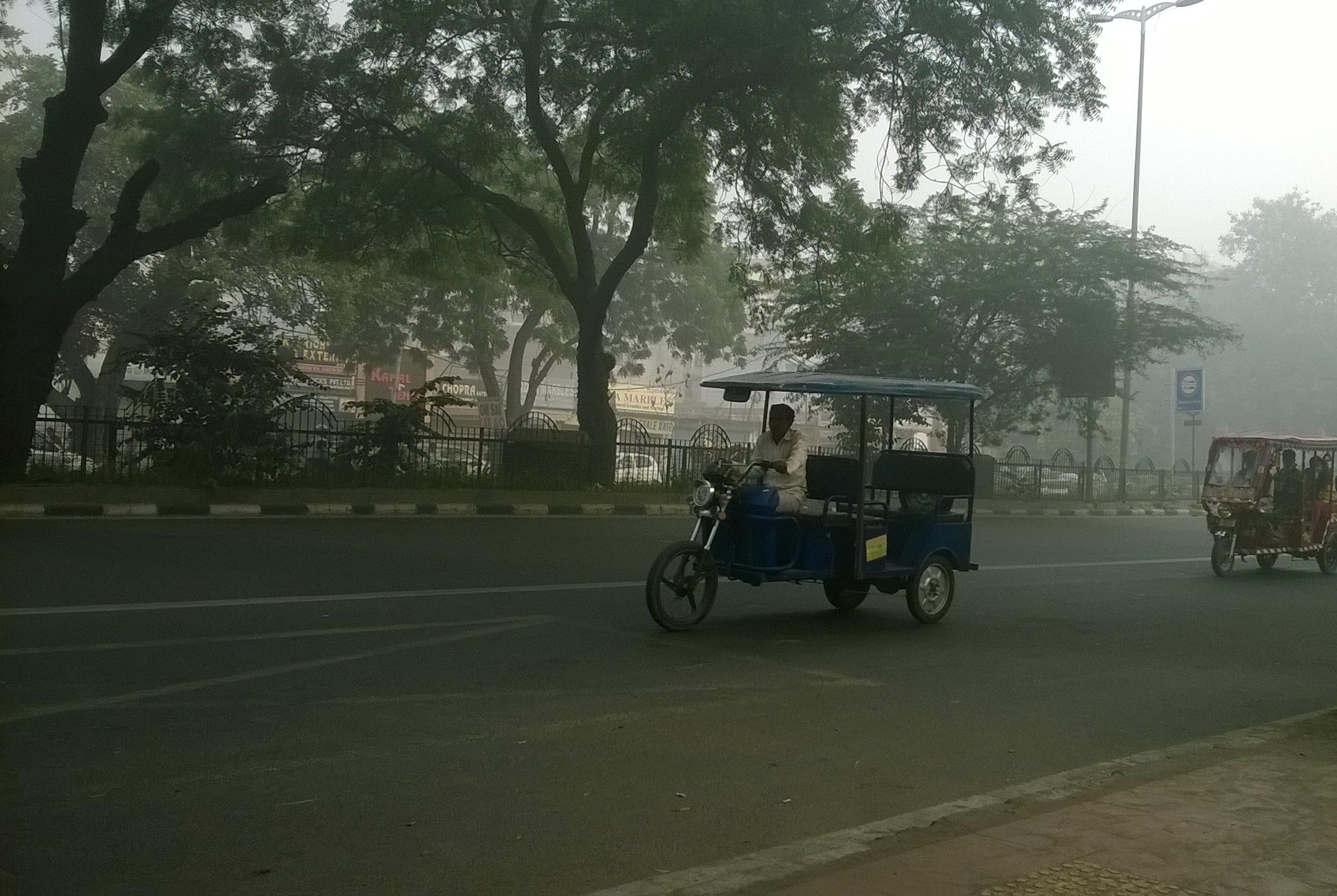
A plain-language guide to the PM E-DRIVE scheme as the Ministry of Heavy Industries and PIB describe it: outlay, validity to March 2028, per-vehicle incentives for e-2Ws and e-rickshaws, and what is no longer open.
SIAM asks DISCOMs and charging operators to work to timelines, and calls e-truck charging 'the next frontier'
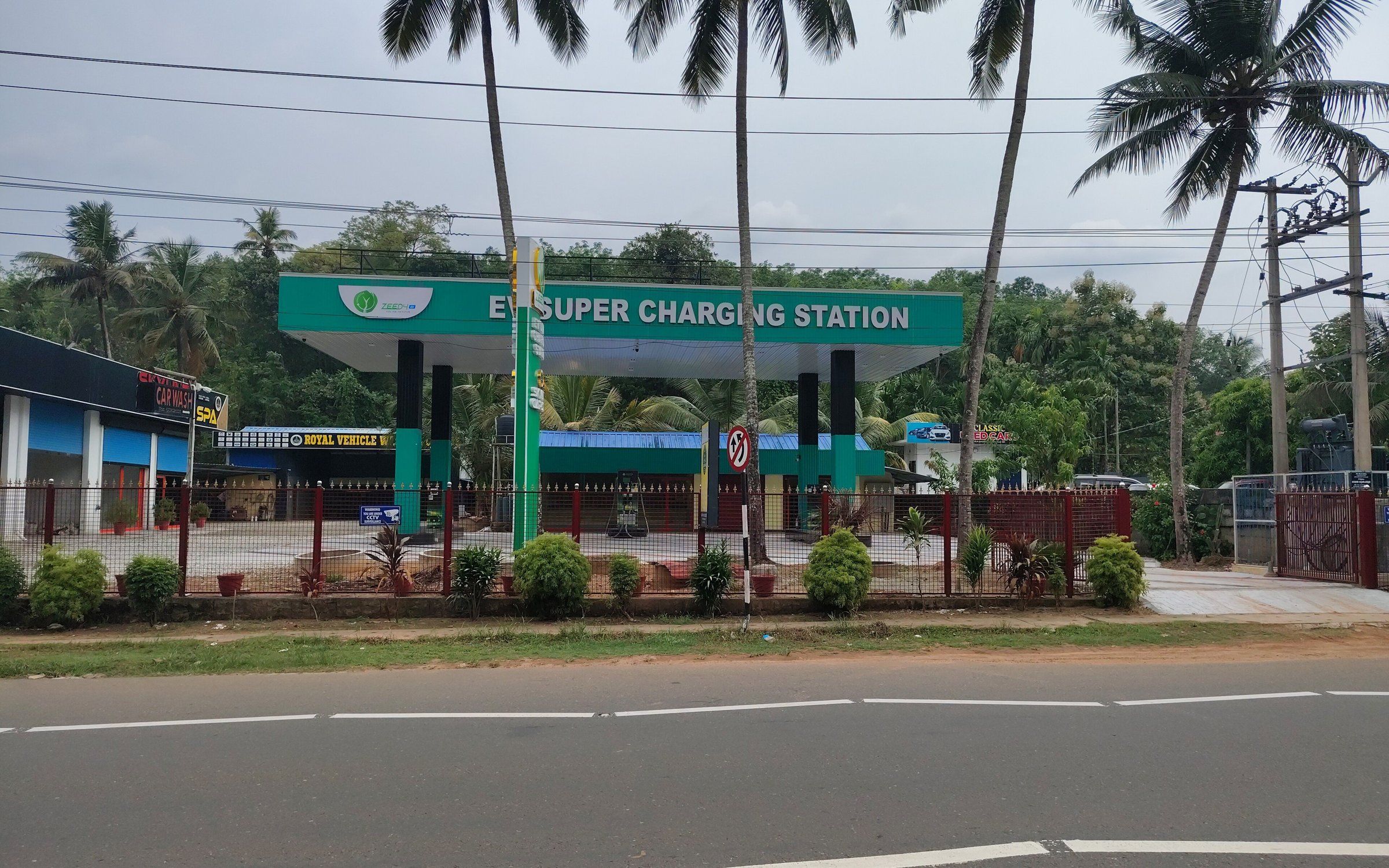
At SIAM's first National EV Charging Day, president Shenu Agarwal said grid companies and operators must coordinate on deadlines. The PM's adviser Tarun Kapoor suggested a nodal officer to handle DISCOM issues.
Unified Bharat e-Charge to grow beyond its five-state pilot, says heavy industries official
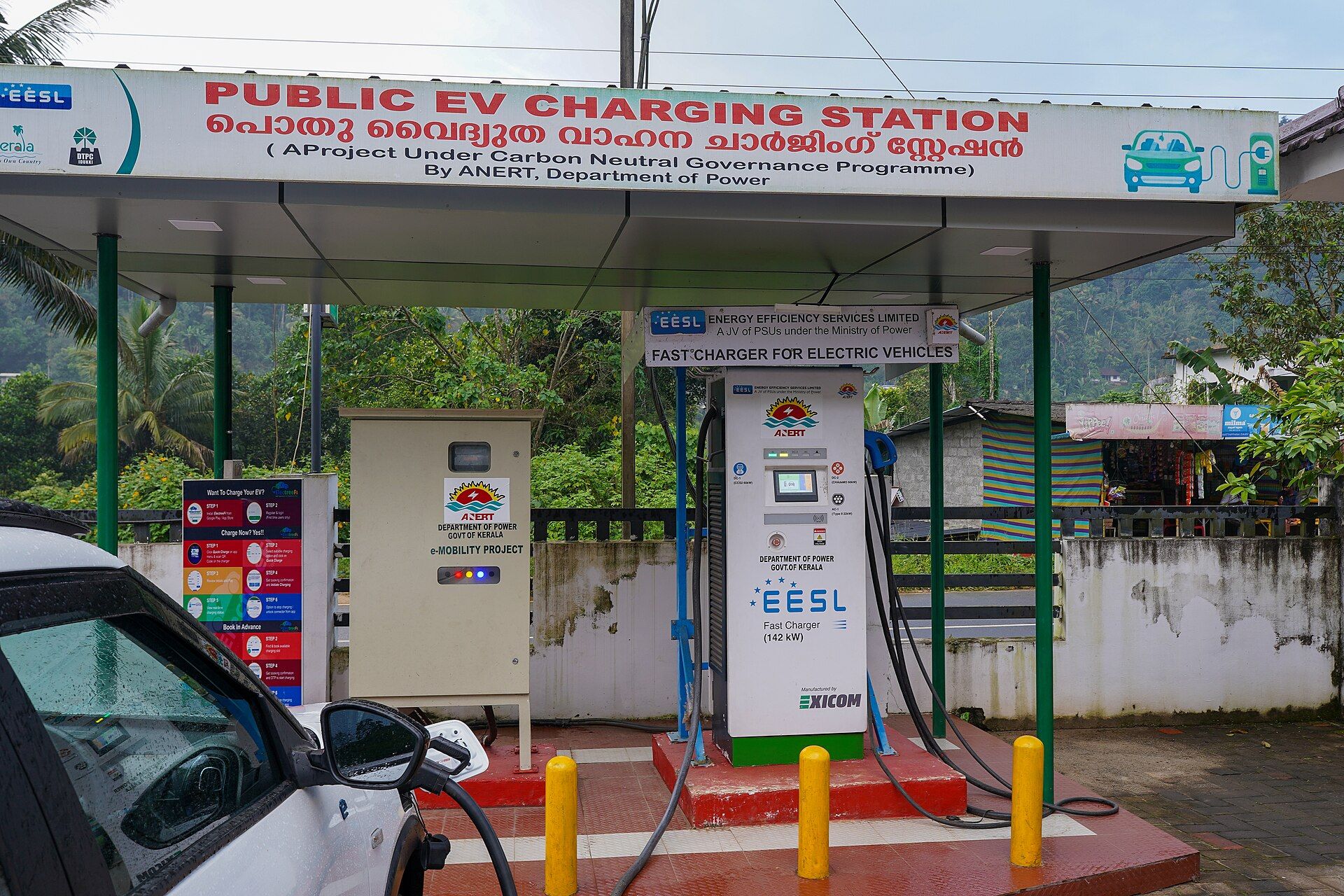
Additional Secretary Hanif Qureshi said about 12 charging operators are on the platform and wider rollout will follow as the network matures, though he gave no timeline.