Carmakers want plug-in hybrids treated like EVs under India's CAFE-III fuel-efficiency rules
Under the proposed CAFE-III norms from April 2027, EVs and range-extender EVs get a super-credit multiplier of 3 and plug-in hybrids 2.5. Some carmakers want PHEVs moved up to 3, Moneycontrol reports.
Key facts
- India's CAFE-III fleet fuel-efficiency norms apply from 1 April 2027 to 31 March 2032, Moneycontrol reports.
- Under the proposed framework, EVs and range-extender EVs get a super-credit multiplier of 3, plug-in hybrids 2.5 and strong hybrids 1.6.
- Some carmakers want PHEVs put in the same bracket as EVs, arguing they can run on electricity alone for short trips. The government has not said whether it will agree.
India’s next round of fleet fuel-efficiency rules is still more than four months from starting, and carmakers are already lobbying over how plug-in hybrids should count. Some want plug-in hybrids (PHEVs) to earn the same regulatory credit as electric cars under the CAFE-III norms, Moneycontrol reported on 19 November.
What the proposal says now
CAFE-III, the third stage of India’s corporate average fuel-efficiency standards, applies from 1 April 2027 to 31 March 2032, according to the report. Under the proposed framework, cleaner vehicles carry extra weight in a carmaker’s compliance maths through “super-credit” multipliers:
| Powertrain | Proposed multiplier |
|---|---|
| Electric vehicles (EVs) | 3 |
| Range-extender EVs (REEVs) | 3 |
| Plug-in hybrids (PHEVs) | 2.5 |
| Strong hybrids | 1.6 |
Source: Moneycontrol, 19 November 2026.
A higher multiplier helps a manufacturer offset the petrol and diesel models in its range.
What carmakers are asking for
The industry argument is that a PHEV can run entirely on electricity for shorter trips, even though it also has a combustion engine. A senior official at a passenger vehicle maker, speaking to Moneycontrol on condition of anonymity, said some large markets already treat PHEVs as EVs, and that the industry hopes India will put them in the same bracket as EVs and REEVs.
The report notes that pure EVs typically offer more than 300 km of electric range, while PHEVs usually manage around 80–120 km before the engine takes over. Real-world fuel use and emissions of a PHEV depend heavily on how often it is charged.
Who could gain
Moneycontrol names JSW MG Motor as the clearest potential beneficiary. Its seven-seat Hector Tomahawk, introduced in August 2026, is the first locally made PHEV in India’s mass-market segment, the report says. BYD, which has tested PHEVs locally but not finalised models or timing, and Stellantis, which has PHEVs in its India product plan, could also benefit. Luxury makers such as Mercedes-Benz and BMW already sell PHEVs here.
The report is careful to say there is no confirmation that any of these companies is individually backing the change; the list is based on their products and plans.
Tax is a separate fight
PHEVs also face a tax gap. EVs attract 5% GST, while strong hybrids sit in the 40% bracket, according to the report. JSW MG Motor director Parth Jindal said in August that the 40% rate made it hard to price the technology competitively.
What happens next
Nothing has been decided. Whether the government accepts the request will decide how much regulatory help plug-in hybrids get in India’s next stage of fuel-efficiency rules. For the state of the EV market these rules will shape, see our report on electric car sales crossing 3 lakh in 2026.
Charged Times compiled this report from Moneycontrol’s reporting. We have not seen the government’s CAFE-III draft ourselves.
Frequently asked questions
What are CAFE-III norms?
They are India's next stage of corporate average fuel-efficiency standards for carmakers' fleets, applying from 1 April 2027 to 31 March 2032, according to Moneycontrol.
What is a super-credit multiplier?
It lets a qualifying low-emission vehicle count more than once in a carmaker's compliance calculation, which helps offset petrol and diesel models. EVs and range-extender EVs get 3 under the proposal, PHEVs 2.5 and strong hybrids 1.6.
Which carmakers could benefit if PHEVs get a 3x multiplier?
Moneycontrol names JSW MG Motor, which makes the Hector Tomahawk PHEV locally, and BYD and Stellantis, which are evaluating or planning PHEVs for India. It says there is no confirmation that these companies are individually backing the change.
Has the government agreed?
No decision has been reported. The request is from industry, and the source who spoke to Moneycontrol did so anonymously because talks are private.
Sources
Related stories
BYD India crosses 20,000 deliveries, doubling its tally in about 14 months
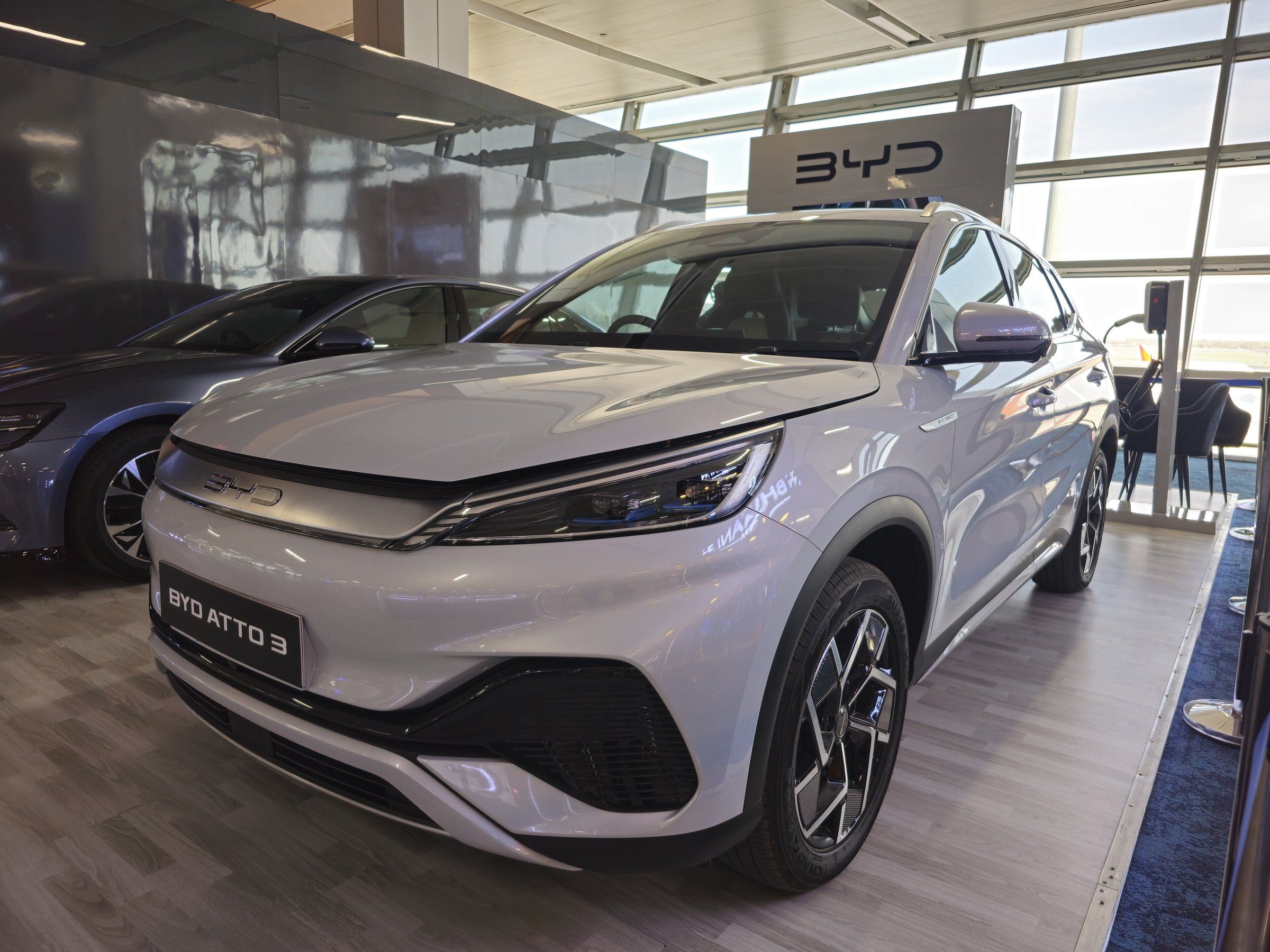
BYD India handed over its 20,000th car in Delhi on 20 November. The ATTO 3 accounts for more than 9,000 deliveries and the SEALION 7 for more than 5,000, the company says.
JSW's EV plan: iCar V23 electric SUV expected around April 2027, Jaecoo J5 EV later, CarToq reports
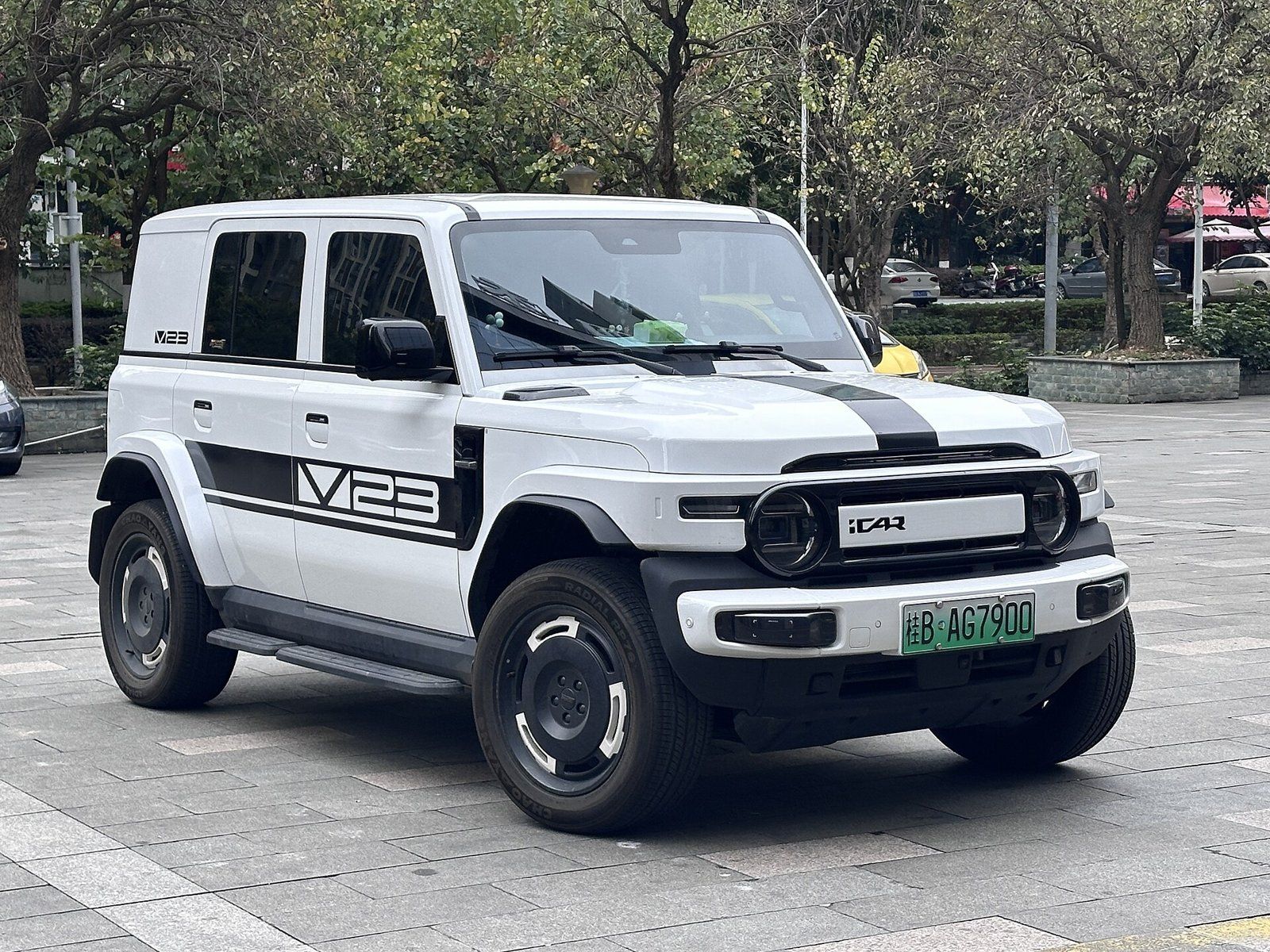
JSW debuts as its own car brand on 4 December. According to CarToq, an electric iCar V23 could follow around April 2027 and a Jaecoo J5 EV around the festive season. JSW has not confirmed these plans.
Denza India says showrooms open within 45 days, with 80–100 reservations still to convert
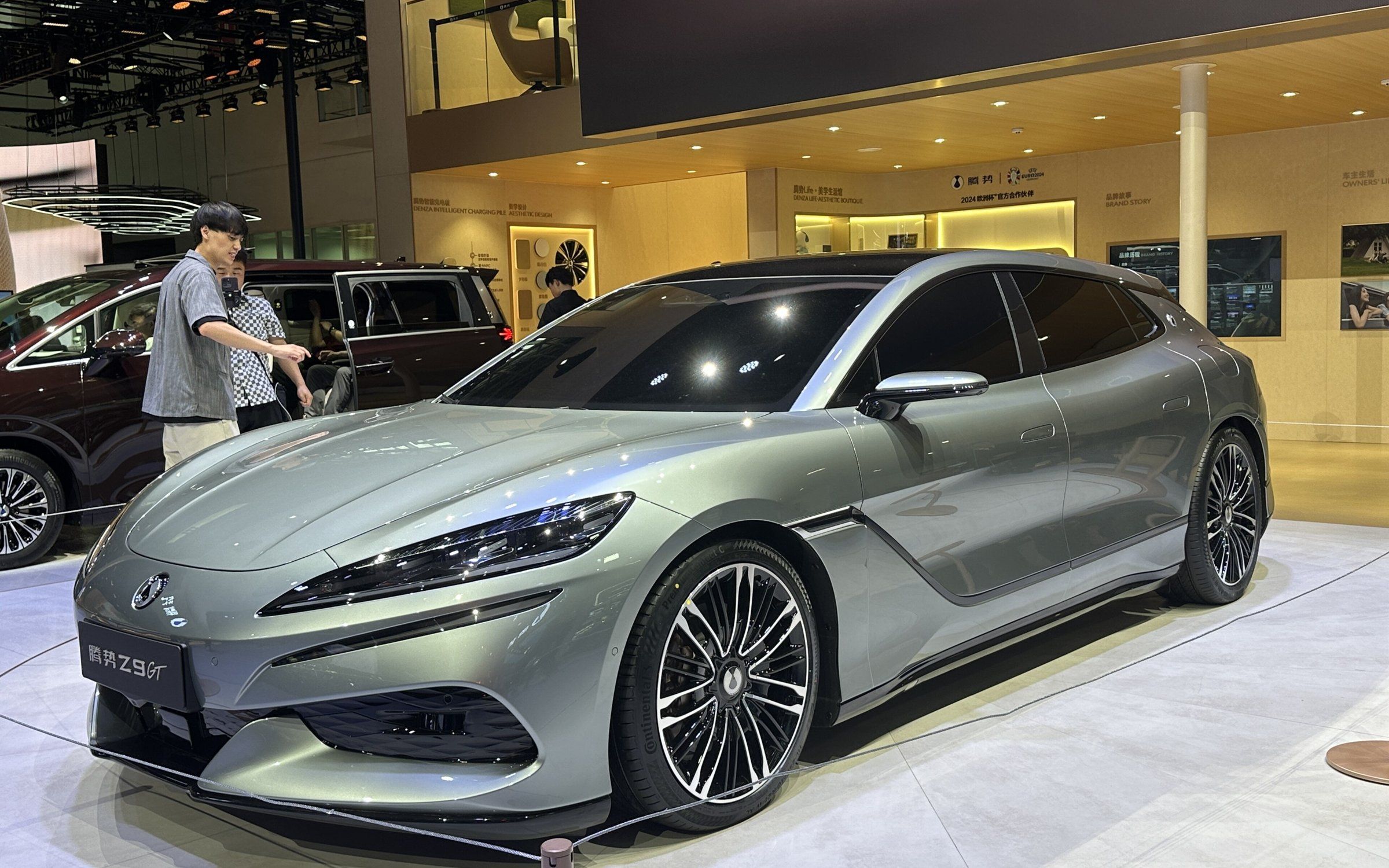
Days after launch, BYD's luxury brand says its first showrooms will open in 30 to 45 days, and that early interest is prospective orders rather than confirmed deliveries.